Where to Sell Handmade Crafts: Your Ultimate Guide

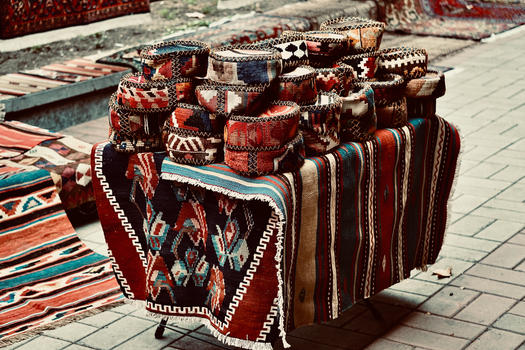
Colorful woven baskets and rugs displayed at an outdoor market stall.Photo: Anna Romanova / Pexels

Where to Sell Handmade Crafts: Your Ultimate Guide

Unlock the secrets to turning your passion into profit by finding the perfect venues for your unique creations.

Start Selling Today!

Key Takeaways

  • ✓ The US handmade market is projected to reach over $100 billion by 2024.
  • ✓ Online marketplaces offer the widest reach, but local events build community.
  • ✓ Understanding fees and audience is crucial for choosing the right platform.
  • ✓ High-quality product photography can increase sales by over 30%.

How It Works

1
Define Your Niche & Audience

Identify what makes your crafts unique and who your ideal customer is. This clarity will guide your choice of selling platforms and marketing efforts.

2
Select Your Sales Channels

Choose a mix of online and offline venues that align with your brand and target audience. Consider marketplaces, personal websites, and local events.

3
Optimize Listings & Presentation

Create compelling product descriptions, take stunning photos, and ensure your pricing reflects your value. Professional presentation is key to attracting buyers.

4
Market & Engage Your Customers

Promote your crafts through social media, email marketing, and engaging with your community. Build relationships to foster loyalty and repeat business.

Navigating the Digital Landscape: Online Marketplaces for Handmade Goods
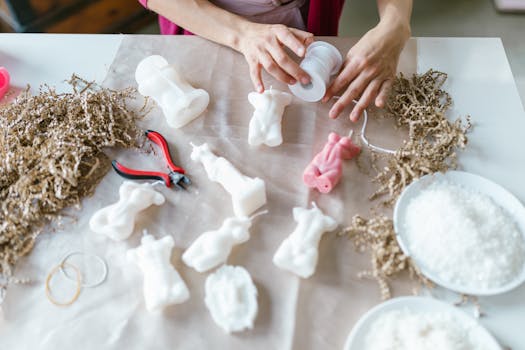
Discover the art of candle making with hands-on crafting sessions in this cozy indoor setup.Photo: RDNE Stock project / Pexels
The internet has revolutionized the way artisans connect with buyers, transforming the question of where to sell handmade crafts from a local query into a global opportunity. For craftspeople in the US, online marketplaces offer unparalleled reach, allowing you to showcase your unique creations to millions of potential customers without the overhead of a physical storefront. However, not all platforms are created equal, and understanding their nuances is key to selecting the right fit for your brand and products. Etsy remains the undisputed giant in the handmade market. Its vast user base, dedicated focus on artisan goods, and robust seller tools make it a go-to for many. Setting up a shop is relatively straightforward, and Etsy provides excellent visibility for new sellers, especially if your items align with popular search terms. However, its popularity also means fierce competition. To stand out, you'll need exceptional product photography, detailed and keyword-rich descriptions, and a strong brand identity. Fees include listing fees per item, transaction fees, and payment processing fees, which can add up, so careful pricing strategies are essential. Beyond Etsy, other platforms offer specialized niches or different fee structures. Amazon Handmade, for instance, provides access to Amazon's massive customer base, but it has a more rigorous application process to ensure genuine handmade quality. The monthly professional selling plan fee, coupled with referral fees, means it's often better suited for established crafters with higher sales volumes. Shopify, while not a marketplace itself, is a powerful e-commerce platform that allows you to build your own independent online store. This offers complete control over branding, customer data, and sales policies, but requires more effort in driving your own traffic. It's an excellent choice for those looking to build a long-term brand and escape marketplace fees, though it comes with its own monthly subscription. Building your own website can significantly enhance your brand's credibility. Another option is Zibbet, which aims to simplify multi-channel selling by allowing you to manage listings across multiple platforms from a single dashboard. While smaller than Etsy, it offers a supportive community and competitive fees. ArtFire is another long-standing marketplace with a focus on handmade, craft supplies, and vintage items. Each platform has its own strengths and weaknesses, and the best strategy often involves diversifying your online presence. Consider your target audience: are they searching for unique, one-of-a-kind pieces (Etsy, ArtFire), or are they looking for convenience and brand recognition (Amazon Handmade)? Your choice will significantly impact your visibility and sales potential. Don't forget the power of social commerce on platforms like Instagram and Facebook, where direct sales are increasingly common through shoppable posts and stories. These platforms, while not traditional marketplaces, are becoming indispensable tools for direct-to-consumer sales, especially when paired with a strong online store.

Embracing Local Markets: Craft Fairs, Pop-Ups, and Galleries

While online sales offer boundless reach, the tangible experience of local markets provides a unique and often invaluable channel for where to sell handmade crafts. Craft fairs, pop-up shops, and local galleries allow artisans to connect directly with customers, build community, and gather instant feedback on their products. This face-to-face interaction is something digital platforms simply cannot replicate, fostering a deeper connection with your brand and often leading to higher perceived value for your handcrafted items. Craft fairs and festivals are a cornerstone for many crafters. They range from small, local church bazaars to large, juried art shows attracting thousands of attendees. The key to success lies in researching and selecting fairs that align with your product type and target demographic. A high-end jewelry maker might thrive at an upscale art festival, while a knitter of whimsical children's toys might find more success at a family-oriented community event. Booth presentation is paramount; a visually appealing, well-organized display can draw customers in and encourage purchases. Pricing, payment processing (mobile card readers are essential), and having ample inventory are also critical considerations. Don't underestimate the power of networking with fellow artisans and collecting customer contact information for future marketing efforts. Pop-up shops offer a flexible, low-commitment way to test new markets or capitalize on seasonal demand. These temporary retail spaces can be set up in vacant storefronts, shared retail spaces, or even within existing businesses. They generate excitement due to their transient nature and offer a curated shopping experience. Collaborating with other local artisans for a joint pop-up can also reduce costs and broaden your customer base. Think creatively about locations: breweries, coffee shops, and even farmers' markets can host successful pop-ups. Local galleries and boutiques can provide a more permanent or semi-permanent retail presence for your crafts. These venues often operate on a consignment basis, meaning they take a percentage of sales (typically 30-50%) in exchange for displaying and selling your work. While the profit margin per item might be lower, it offers consistent exposure and sales without requiring your constant presence. Building relationships with gallery owners and boutique buyers is essential. Present your work professionally, have a clear pricing structure, and be prepared to discuss your artistic process and story. Remember, these proprietors are curating a collection, so your items must fit their aesthetic and customer base. Participating in local community events, farmers' markets, and holiday bazaars also gives you a chance to engage with your direct community. These events are often more affordable to participate in and can lead to loyal local customers and word-of-mouth referrals. The personal touch of selling in person can be a powerful differentiator in today's digital world.

Building Your Brand: The Power of a Personal Website and Social Media

While marketplaces offer immediate access to buyers and local events foster community, the ultimate step in truly owning where to sell handmade crafts and maximizing your long-term potential is establishing your own brand presence. A personal e-commerce website and a strong social media strategy are not just supplementary tools; they are foundational elements for sustainable growth, allowing you to bypass marketplace fees, control your narrative, and cultivate a direct relationship with your audience. Your own website serves as your digital storefront, your portfolio, and your brand hub. Platforms like Shopify, Squarespace, and Wix provide user-friendly tools to create professional-looking online stores without needing extensive coding knowledge. The benefits are numerous: you retain 100% of your sales revenue (minus payment processing fees), you control the entire customer experience, and you collect valuable customer data directly. This data is gold for targeted marketing, understanding purchasing habits, and building a loyal customer base through email newsletters and personalized offers. A dedicated website also lends credibility and professionalism to your craft business, making it easier to attract wholesale clients or secure features in publications. It’s an investment, both in time and money, but one that pays dividends in brand equity and independence. Understanding how to market your crafts is essential for driving traffic to your site. Social media is the engine that drives traffic to your website and builds your brand story. Instagram, Pinterest, Facebook, and TikTok are visual platforms perfectly suited for showcasing handmade goods. High-quality photos and videos of your products, behind-the-scenes glimpses of your creative process, and engaging stories about your inspiration can captivate an audience. Each platform has its own strengths: Instagram for aspirational aesthetics and shoppable posts, Pinterest for discovery and idea generation, Facebook for community building and targeted ads, and TikTok for short, engaging video content that can go viral. The key is consistency, authenticity, and engagement. Respond to comments, participate in relevant hashtags, and collaborate with other artists or influencers. Beyond direct sales, social media is invaluable for market research. You can gauge interest in new products, solicit feedback, and understand what your audience truly desires. It’s also a powerful tool for announcing new collections, promoting sales, and sharing updates about your craft fair appearances. Integrating your social media with your website (e.g., embedding Instagram feeds, linking product pages) creates a seamless customer journey. Remember, while marketplaces get you in front of existing buyers, your website and social media build a lasting brand that transcends any single platform, giving you ultimate control over where and how you sell your handmade crafts.

Strategic Considerations for Selling Your Handmade Creations

Successfully navigating where to sell handmade crafts goes beyond merely picking a platform; it involves strategic planning and a keen understanding of the market. To truly thrive, artisans must consider several critical factors that influence profitability, brand growth, and customer satisfaction. These considerations are often overlooked but are fundamental to building a sustainable craft business. First and foremost is pricing. Many crafters undervalue their work, failing to account for material costs, labor (your time!), overheads (electricity, tools, marketing), and platform fees. A common formula involves calculating your hourly wage, adding material costs, and then multiplying by 2 or 2.5 to cover overheads and profit margin. Researching competitor pricing for similar items is also vital. Undercutting yourself not only diminishes your income but can also devalue the entire handmade market. Product photography is another non-negotiable aspect. In a visual world, your photos are your first impression. Invest in good lighting (natural light is often best), a clean backdrop, and multiple angles that showcase your product's details and scale. Lifestyle shots, where your product is used or worn, can help customers envision themselves with the item. Poor photos are the quickest way to deter potential buyers, regardless of the quality of your craft. Customer service and packaging are also critical differentiators. Prompt, friendly communication, clear shipping policies, and beautifully packaged items create a memorable experience. Thoughtful packaging, even simple tissue paper and a handwritten note, can elevate a purchase from a transaction to a delightful unboxing experience, encouraging repeat business and positive reviews. Finally, legal and logistical aspects cannot be ignored. This includes understanding sales tax obligations (which vary by state and platform), obtaining any necessary business licenses, and ensuring your product descriptions are accurate and compliant. For makers of items like cosmetics or children's toys, specific safety regulations may apply. Shipping logistics, including choosing reliable carriers, calculating accurate shipping costs, and offering tracking, are also paramount for customer satisfaction. Here are some quick tips for success: * **Diversify your channels:** Don't put all your eggs in one basket. Use a mix of online and offline platforms. * **Track your time and expenses:** Know your true costs to price accurately. * **Engage with your audience:** Build relationships, not just transactions. * **Continuously learn:** Stay updated on market trends, new platforms, and marketing techniques. * **Embrace feedback:** Use customer comments to improve your products and processes. * **Be patient:** Building a successful craft business takes time and persistence. By meticulously planning these strategic considerations, you'll not only discover where to sell handmade crafts effectively but also build a resilient and profitable artisan business.

Comparison

FeatureEtsy (Online)Local Craft Fair (Offline)Personal Website (Online)
ReachGlobalLocal/RegionalGlobal (requires marketing)
Setup DifficultyEasyModerate (application, booth setup)Moderate (website builder)
FeesListing, Transaction, PaymentBooth Fee, Commission (some)Monthly Subscription, Payment Processing
Brand ControlLimitedHighFull
Direct Customer InteractionVia messagesHigh (in-person)Via email/chat
CompetitionHighMediumDepends on traffic generation

What Our Readers Say

5 ★★★★★

"Before reading this, I was lost on where to sell handmade crafts. This guide helped me choose Etsy and a local fair. My pottery sales have doubled, and I'm connecting with so many amazing people!"

5 ★★★★★

"The insights on building a personal website were a game-changer. I finally feel like I own my brand, and the tips on social media marketing have brought consistent traffic to my jewelry store."

5 ★★★★★

"I used the advice on product photography and pricing from this article. My art prints look so much more professional now, and I've started making consistent sales on Amazon Handmade. Truly helpful!"

4 ★★★★☆

"The guide is comprehensive, though I wish there was a bit more detail on specific state tax regulations for craft sellers. Still, the breakdown of online vs. offline options was incredibly valuable for my woodworking business."

5 ★★★★★

"As a new crafter, I was overwhelmed. This article broke down where to sell handmade crafts into actionable steps. I'm now confidently selling my knitted goods at local farmers' markets and building an Instagram following."

Frequently Asked Questions

What is the best platform where to sell handmade crafts for beginners?
For beginners, Etsy is often recommended due to its large existing audience interested in handmade goods and its user-friendly interface. It provides a good starting point to learn the ropes of online selling, although competition can be high.
How much does it cost to sell handmade crafts online?
Costs vary significantly. Marketplaces like Etsy charge listing fees (around $0.20 per item), transaction fees (e.g., 6.5% of sale price), and payment processing fees (e.g., 3% + $0.25). Personal websites (Shopify, Squarespace) have monthly subscription fees (starting around $29/month) plus payment processing. Factor these into your pricing.
How do I price my handmade crafts fairly and profitably?
A common formula is (Materials Cost + Labor Cost) x 2 or 2.5, where Labor Cost = your hourly wage x hours spent. This covers materials, your time, and a markup for overhead and profit. Research competitor pricing for similar quality items to ensure you're competitive but not undercutting your value.
Is it better to sell handmade crafts online or at local craft fairs?
Both online and local craft fairs offer distinct advantages. Online selling provides broader reach and convenience, while local fairs offer direct customer interaction and community building. Many successful crafters use a hybrid approach, leveraging both channels to maximize sales and brand exposure.
What are the legal requirements for selling handmade crafts in the US?
Legal requirements can include obtaining a business license (often required by your city/county), registering a 'Doing Business As' (DBA) name if you operate under a different name than your own, and understanding sales tax obligations, which vary by state and platform. For certain products (e.g., cosmetics, children's items), specific safety regulations may apply. It's advisable to consult with local business resources or a legal professional.
Who should consider selling their handmade crafts professionally?
Anyone with a passion for creating unique, high-quality handmade items who is willing to dedicate time to production, marketing, and customer service. It's ideal for those seeking to turn a hobby into a source of income, connect with a broader audience, and build a creative brand.
What are the risks of selling handmade crafts?
Risks include low profitability if pricing is incorrect, high competition on popular platforms, the time commitment required for production and marketing, potential issues with shipping or customer service, and the need to manage inventory and finances effectively. However, with careful planning and execution, these risks can be mitigated.
What are future trends in selling handmade crafts?
Future trends include increased demand for personalized and custom items, growth in sustainable and ethically produced goods, the rise of live shopping events on social media, and continued integration of AI for personalized recommendations and marketing. Direct-to-consumer sales via personal websites and social platforms are also expected to grow.

Ready to turn your creative passion into a profitable venture? Use this comprehensive guide to strategically choose where to sell handmade crafts, reach your ideal customers, and build a thriving artisan business. Your unique creations deserve to be seen and celebrated – start your selling journey today!

Topics: where to sell handmade craftssell artisan goods onlinecraft fair selling tipsbest platforms for handmade itemsstarting a craft business
Leo List
Brampton weed
Adultwork