What is Street Art Culture? A Deep Dive into Urban Expression
what is street art culture

What is Street Art Culture? A Deep Dive into Urban Expression

Uncover the dynamic world of street art, from its rebellious roots to its global artistic recognition.

Explore Urban Canvas

Key Takeaways

  • ✓ Street art originated from graffiti in the 1960s-70s, evolving into diverse forms.
  • ✓ It acts as a powerful platform for social and political commentary, often challenging norms.
  • ✓ Artists like Banksy, Shepard Fairey, and Keith Haring are iconic figures in the movement.
  • ✓ Once considered vandalism, street art is now widely recognized and celebrated in galleries and public spaces.

How It Works

1
Origins in Rebellion

Understand how street art emerged from underground graffiti movements, driven by a desire for expression and defiance. This early phase laid the groundwork for its subversive nature.

2
Evolution of Forms

Witness the transformation from simple tags to intricate murals, stencils, and installations. The medium diversified, incorporating various techniques and artistic philosophies.

3
Social & Political Voice

Discover how street art became a potent tool for social commentary, giving voice to marginalized communities and critiquing societal issues. It often sparks dialogue and provokes thought.

4
Global Recognition & Impact

Learn about its journey from illicit activity to celebrated art form, influencing mainstream culture and being embraced by cities worldwide. Its cultural impact continues to grow.

The Roots of Urban Expression: A Historical Perspective on Street Art
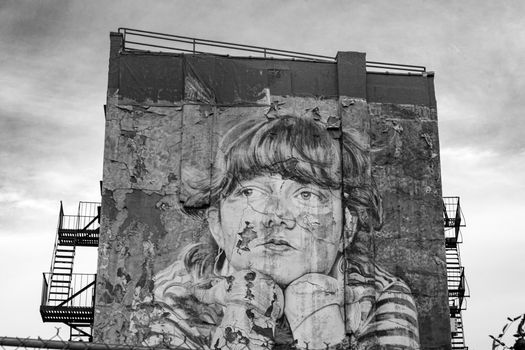
Black and white image of a street art mural on a dilapidated building wall in New York City. Photo: Phil Evenden / Pexels
To truly grasp what is street art culture, one must journey back to its formative years, a period steeped in rebellion, social unrest, and a burning desire for public voice. While the act of making marks on public surfaces is as old as civilization itself, the modern street art movement, as we know it, largely traces its lineage to the vibrant, often chaotic, urban landscapes of the 1960s and 1970s, particularly in cities like Philadelphia and New York. Here, nascent forms of graffiti began to flourish, primarily as territorial markings and personal signatures, known as 'tags,' executed by teenagers seeking recognition and identity within their communities. These early pioneers, like Cornbread in Philadelphia and Taki 183 in New York, inadvertently laid the groundwork for a global artistic phenomenon. Their simple yet ubiquitous tags, scrawled across subway cars and city walls, were not merely acts of vandalism but rather audacious declarations of existence in an indifferent urban sprawl. The subway system, in particular, became a moving canvas, carrying these artistic messages across boroughs, transforming transient acts into a public spectacle. As the 1970s progressed, graffiti evolved. Artists moved beyond simple tagging to more elaborate 'pieces' – intricate letterforms, vibrant colors, and dynamic compositions. This shift marked a crucial turning point, elevating graffiti from mere inscription to a recognized, albeit illicit, art form. The introduction of spray paint as the primary medium revolutionized its execution, allowing for speed, scale, and a distinct aesthetic. The early graffiti scene was a crucible of creativity, fostering a unique subculture with its own codes, language, and hierarchies. It was raw, immediate, and unapologetically public. This period also saw the emergence of 'writers' crews,' groups of artists who collaborated, competed, and pushed the boundaries of the medium, creating a vibrant, underground artistic ecosystem. While often criminalized and misunderstood, these early expressions were a powerful response to urban decay, social marginalization, and a lack of public spaces for authentic self-expression. They were a visual rebellion, a counter-narrative etched onto the very fabric of the city. Understanding these origins is fundamental to appreciating the depth and complexity of what street art culture truly represents today. It was from these humble, often defiant, beginnings that the expansive, diverse, and globally recognized art form we now celebrate began to take shape, constantly challenging perceptions of art, ownership, and public space. The transition from pure graffiti to what is broadly termed street art was a gradual process, influenced by various factors including artistic experimentation and broader cultural shifts, setting the stage for its continued evolution into the contemporary era. Learn more about the history of urban arts movements.

Beyond the Tag: Diverse Forms and Mediums in Street Art Culture

A diverse group of young adults posing stylishly in urban streetwear by a graffiti-covered wall. Photo: Tima Miroshnichenko / Pexels
The evolution of street art culture extends far beyond the foundational spray-painted tags and elaborate graffiti pieces. What began as a singular mode of expression has diversified into an astonishing array of forms and mediums, each contributing to the rich tapestry of urban art. This expansion reflects not only the ingenuity of artists but also their desire to engage with public spaces in increasingly sophisticated and thought-provoking ways. One of the most recognizable evolutions is the stencil. Pioneered by artists like Blek le Rat in France and famously popularized by Banksy, stenciling allows for rapid, repeatable imagery, often carrying potent political or social messages. The precision and graphic quality of stencils offer a stark contrast to the free-flowing lines of traditional graffiti, enabling artists to create striking, often iconic, visuals that resonate deeply with passersby. Murals, too, have transformed. What once might have been an illicit, nighttime endeavor has increasingly become a celebrated, often commissioned, form of public art. Large-scale murals can revitalize entire neighborhoods, tell historical narratives, or offer abstract beauty on a grand scale. These works often involve intricate planning, collaboration with communities, and a mastery of various painting techniques, blurring the lines between street art and fine art. Beyond paint, artists have embraced an eclectic mix of materials and approaches. Wheatpasting, for instance, involves applying printed posters to walls with a sticky paste, allowing artists to pre-produce detailed images or text in a studio setting before quickly installing them in public. This technique is favored for its ability to disseminate messages widely and efficiently, often seen in political campaigns or artistic manifestos. Sticker art, or 'slaps,' offers another accessible and highly reproducible form, allowing artists to spread their work across countless surfaces. Then there are more sculptural and installation-based forms. Yarn bombing, a playful and often subversive act of covering objects or structures in knitted or crocheted fabric, injects warmth and color into cold urban environments. Mosaic art, using broken tiles or glass, can transform mundane surfaces into dazzling public artworks. Artists also utilize found objects, light projections, and even performance art to interact with and alter public spaces. The choice of medium often dictates the message and the impact. A fleeting chalk drawing might evoke a sense of impermanence and childhood wonder, while a permanent mosaic speaks to endurance and community. This vast spectrum of techniques underscores the adaptive and innovative spirit of street art culture. It demonstrates that the urban environment is not merely a backdrop but an active participant in the creative process, offering endless possibilities for interaction and transformation. This continuous experimentation with forms and mediums is a testament to the dynamic nature of street art, ensuring its perpetual relevance and evolution as a vital contemporary art movement.

Street Art as a Social Mirror: Commentary, Activism, and Public Dialogue
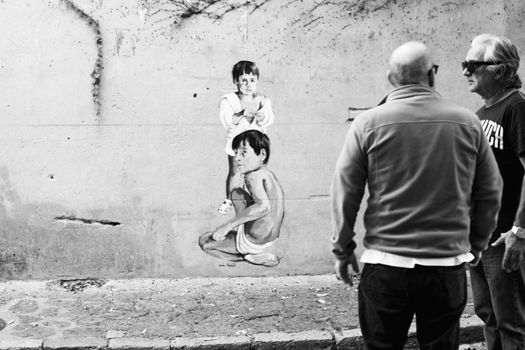
Artistic street scene with mural and people admiring, captured in monochrome. Photo: Jan Kroon / Pexels
At its heart, what is street art culture is inextricably linked to its powerful role as a social mirror, reflecting, critiquing, and often shaping public dialogue. Unlike traditional gallery art, street art is inherently democratic; it demands no admission fee, requires no specific knowledge, and is accessible to all who traverse the urban landscape. This immediacy and public accessibility make it an unparalleled platform for social and political commentary. Artists frequently use city walls as their canvas to address pressing societal issues. Themes range from environmental concerns, human rights, and economic inequality to political corruption, consumerism, and racial justice. A well-placed mural can spark conversations, challenge prevailing narratives, and even galvanize communities into action. Consider the poignant works that emerged during the Black Lives Matter movement, transforming cityscapes into powerful visual protests and memorials. These pieces not only expressed outrage and sorrow but also fostered solidarity and demanded accountability. Street art often gives voice to the marginalized, providing a platform for those whose perspectives are typically excluded from mainstream media or formal political discourse. It can highlight forgotten histories, celebrate local heroes, or simply offer a message of hope and resilience in challenging times. The anonymity often associated with street artists, while sometimes a necessity for protection, also allows for a more direct, unfiltered critique of power structures without personal repercussions. This freedom from conventional constraints enables a raw honesty rarely found in other art forms. Moreover, street art frequently acts as a form of urban beautification, transforming neglected spaces into vibrant cultural landmarks. While not always overtly political, even acts of aesthetic improvement can be seen as a form of activism, reclaiming public space from decay and indifference. These works can foster a sense of community pride and belonging, encouraging residents to engage more deeply with their surroundings. The dialogue generated by street art is multifaceted. It can be a whispered conversation between two commuters, a heated debate among art critics, or a global discussion sparked by an image shared online. The ephemeral nature of some street art, susceptible to weather, removal, or overpainting, adds another layer to its communicative power, emphasizing the urgency of its message and the constant flux of urban life. From the satirical critiques of consumer culture to the impassioned calls for social justice, street art culture continues to demonstrate its capacity to engage, provoke, and inspire. It is a living, breathing testament to the power of art to not only beautify but also to challenge, inform, and transform the collective consciousness of a city. Discover more about art's role in social change.

Navigating the Canvas: Tips for Appreciating and Engaging with Street Art
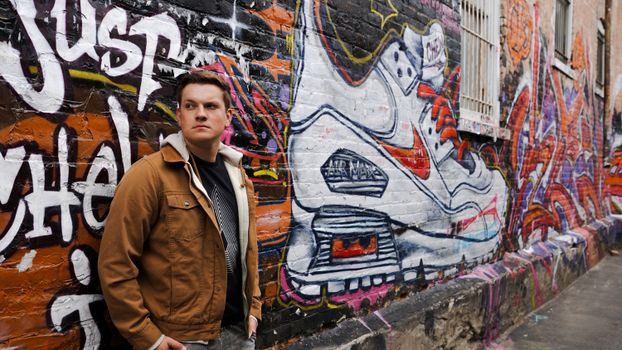
Man leaning against a graffiti-covered brick wall featuring a colorful mural. Photo: Lindsay Blair / Pexels
Engaging with street art culture can be a deeply rewarding experience, offering unique insights into local communities and global issues. However, unlike visiting a museum, appreciating street art often requires a different approach. Here are some tips to enhance your understanding and enjoyment of this dynamic art form: * **Look Up, Look Down, Look Around:** Street art isn't confined to eye-level walls. It can appear on rooftops, sidewalks, lampposts, and even in drains. Keep an open mind and a keen eye; discovery is a huge part of the experience. * **Research Local Scenes:** Before visiting a city, research its street art hotspots. Many cities have dedicated street art tours or online maps highlighting prominent works and artists. This can provide context and lead you to hidden gems. * **Understand the Context:** The meaning of a piece can be deeply tied to its location, the history of the neighborhood, or current events. Learning about the local context can unlock deeper layers of interpretation. * **Respect the Art and the Artist:** While street art is public, remember that much of it is created without official permission. Do not deface or alter existing artworks. Respect the artist's message and the community's canvas. * **Follow Street Artists Online:** Many artists maintain active social media presences. Following them can offer insights into their creative process, new works, and the stories behind their art. * **Differentiate Between Graffiti and Street Art:** While interconnected, there are distinctions. Graffiti often focuses on stylized lettering and personal tags, while street art encompasses a broader range of styles, mediums, and often more overt social messaging. Both are valid forms of urban expression. * **Embrace Impermanence:** Street art is often ephemeral. Works can be painted over, weathered, or removed. This impermanence is part of its charm and urgency. Enjoy it while it lasts. * **Consider the Legality:** Be aware that some street art is created illegally. While appreciating it, understand the legal complexities surrounding its creation and display. This doesn't detract from its artistic merit but adds to its rebellious spirit. By following these guidelines, you can move beyond simply observing street art to truly engaging with its culture, understanding its nuances, and appreciating the profound impact it has on our urban environments and collective consciousness. This active engagement allows for a richer, more meaningful interaction with the art and the narratives it presents.

Comparison

FeatureStreet ArtTraditional Gallery ArtPublic Murals (Commissioned)
AccessibilityHigh (public spaces)Low (gallery/museum admission)Medium (public, but often specific locations)
LegalityOften illicit/grey areaLegal, officially sanctionedLegal, often government/private funded
Artist AnonymityCommonRareRare
Social CommentaryDirect & frequentIndirect or conceptualOften community-focused or celebratory

What Readers Say

"Understanding what is street art culture opened my eyes to the incredible stories on every block. It's more than just paint; it's a living dialogue with the city."

Sarah J. · Brooklyn, NY

"This article beautifully articulates the evolution and significance of street art. I now see the urban landscape through a completely different, more appreciative lens."

David M. · Los Angeles, CA

"After reading this, I joined a local street art tour and found myself captivated. The depth of expression and the history behind each piece was truly astounding."

Emily R. · Chicago, IL

"While I always admired street art, this piece provided the historical and cultural context I was missing. It helped me understand the distinction between vandalism and art, though the line can still be blurry."

Mark T. · Portland, OR

"As an art student, this article on what is street art culture offered valuable insights into contemporary art movements outside of traditional institutions. It's inspiring to see art so directly engage with society."

Jessica L. · Miami, FL

Frequently Asked Questions

What is the main difference between graffiti and street art?

While often used interchangeably, graffiti traditionally focuses on stylized lettering, tags, and the artist's name, originating from territorial marking and personal recognition. Street art, in contrast, encompasses a broader range of visual art forms like stencils, murals, stickers, and installations, often with a stronger emphasis on imagery, social commentary, or narrative, and can be created with or without permission.

Is all street art illegal?

No, not all street art is illegal. While much of its early history and spirit are rooted in unsanctioned works, many cities and private property owners now commission street artists for murals and public art projects. The legality depends on whether the artist has permission from the property owner or local authorities.

How can I find street art in my city?

You can find street art in your city by looking up local street art maps or guides online, joining organized street art walking tours, or simply exploring vibrant, artistic neighborhoods. Many cities have designated areas known for their street art concentrations, like Wynwood Walls in Miami or Bushwick Collective in Brooklyn.

What is the value of street art if it can be removed or painted over?

The value of street art often lies in its impermanence and its direct engagement with the present moment. Its temporary nature can emphasize the urgency of its message and reflect the ever-changing urban landscape. This ephemeral quality encourages viewers to appreciate the art in the 'now' and highlights its constant dialogue with the city's pulse, making each viewing a unique experience.

How does street art influence mainstream art and culture?

Street art has profoundly influenced mainstream art and culture by bringing art out of exclusive galleries and into public spaces, making it more accessible. It has inspired fashion, advertising, and design, and many street artists have transitioned into gallery exhibitions and commercial work, blurring the lines between high art and popular culture. It also challenges traditional notions of art ownership and display.

Who are some famous street artists?

Some of the most famous street artists include Banksy, known for his satirical stencils; Shepard Fairey, creator of the 'Obey' campaign and the 'Hope' poster; Keith Haring, with his iconic pop art figures; Jean-Michel Basquiat, who started as a graffiti artist under the tag 'SAMO'; and Invader, famous for his mosaic pixel art.

Is street art safe to observe and photograph?

Generally, observing and photographing street art is safe, especially in public, well-trafficked areas. However, always exercise caution as you would in any urban environment. Be aware of your surroundings, respect private property, and if venturing into less familiar areas, it's advisable to go during daylight hours or with a group.

What are the future trends for street art culture?

Future trends for street art culture are likely to include increased integration with digital technologies like augmented reality (AR) to add interactive layers to physical artworks, a growing focus on sustainability and eco-friendly materials, and continued expansion into new urban and even rural environments. We may also see more collaborations between artists, communities, and urban planners to create sanctioned public art spaces.

Dive deeper into the captivating world of street art. From its raw origins to its powerful social statements, understanding what is street art culture enriches your appreciation for urban expression. Start exploring your city's canvas today.

Topics: what is street art cultureurban art movementgraffiti art historypublic art definitionsstreet art influence
Leo List

DK Escorts LU Escorts AT Escorts SE Escorts FI Escorts CH Escorts DE Escorts HR Escorts IE Escorts GR Escorts CZ Escorts NO Escorts BE Escorts FR Escorts SI Escorts IL Escorts NL Escorts PL Escorts HU Escorts ES Escorts IT Escorts PT Escorts SK Escorts RO Escorts ZA Escorts UY Escorts US Escorts UK Escorts NZ Escorts AU Escorts
Brampton weed
Adultwork EstrelaBet Vai de Bet R7 Bet Betão Galera Bet Rainbet Bet9ja Shop SportyBet BetKing Sisal Loto Foot Hollywoodbets YesPlay Odibets RushBet Jugabet BetWarrior BetCity MSport betPawa Fortebet