What is Contemporary Art? A Deep Dive for Modern Enthusiasts

A collection of white sculptures on a red brick wall showcases artistic creativity outdoors.Photo: levan simonshvili / Pexels

What is Contemporary Art? A Deep Dive for Modern Enthusiasts

Explore the vibrant, ever-evolving world of contemporary art, understanding its core principles and diverse expressions.

Start Your Journey

Key Takeaways

  • ✓ Contemporary art generally refers to art produced from the 1960s or 1970s to the present day.
  • ✓ It is characterized by its diversity, often challenging traditional notions of art, materials, and aesthetics.
  • ✓ Performance art, video art, installation art, and conceptual art are prominent forms within the contemporary sphere.
  • ✓ Contemporary art frequently engages with social, political, and cultural issues, reflecting the world it inhabits.

How It Works

1
Define the Timeline

Understand that 'contemporary' typically means 'of the moment,' often starting post-1960s. It's an ongoing, evolving period.

2
Embrace Diversity

Recognize that there's no single style or medium. Contemporary art is a broad umbrella covering countless approaches and forms.

3
Look for Context

Contemporary art is often deeply rooted in its time. Understanding the social, political, and technological context helps unlock its meaning.

4
Engage Critically

Don't just passively observe; contemporary art often invites viewer participation and critical thought, challenging perceptions.

Defining Contemporary Art: Beyond the Canvas

Photo exhibit showcasing LGBTQ+ diversity with impactful portraits in a museum setting.Photo: Matheus Bertelli / Pexels
The question, "what is contemporary art?" is far more complex than simply defining a time period. While generally understood to encompass art made from the 1960s or 1970s to the present day, its true definition lies not just in its chronology, but in its spirit, its methodologies, and its unwavering commitment to pushing boundaries. Unlike preceding art movements that often adhered to stricter stylistic or thematic conventions, contemporary art thrives on its boundless diversity and its refusal to be easily categorized. It's a living, breathing entity that constantly redefines itself, challenging viewers and creators alike to rethink their understanding of what art can be. One of the most striking characteristics of contemporary art is its embrace of an expansive array of mediums and forms. Traditional painting and sculpture remain, of course, but they now share the stage with performance art, video art, installation art, digital art, sound art, and mixed media compositions that blur the lines between disciplines. Artists freely appropriate and combine materials, from the everyday detritus of consumer culture to cutting-edge technology, transforming mundane objects into profound statements. This eclecticism is not merely a stylistic choice; it's a reflection of a world that is increasingly interconnected, multifaceted, and saturated with information. Contemporary artists often act as cultural seismographs, recording and interpreting the tremors of our modern existence. Moreover, contemporary art frequently prioritizes concept over purely aesthetic appeal. While beauty and craftsmanship can certainly be present, the intellectual or emotional message behind the work often takes precedence. This conceptual approach means that understanding the artist's intent, the context of creation, and the social issues being addressed becomes paramount to appreciating the piece. It invites a more active engagement from the viewer, moving beyond passive observation to critical interpretation and dialogue. This shift has democratized the arts in many ways, making it accessible to a broader audience who might not relate to traditional art forms but can connect with the ideas being explored. The experience of contemporary art is often as much about thinking and feeling as it is about seeing. It challenges perceptions, provokes thought, and can even be unsettling, forcing us to confront uncomfortable truths about ourselves and our society. This dynamic relationship between art, artist, and audience is a hallmark of the contemporary era, fostering a continuous evolution of artistic expression and critical discourse.

Key Characteristics and Influences of Modern Art

Contemporary art installation with hanging white raindrop shapes indoors.Photo: cottonbro studio / Pexels
To truly grasp what is contemporary art, one must delve into its defining characteristics and the significant influences that have shaped its trajectory. Far from being a monolithic style, contemporary art is a tapestry woven from diverse threads, each contributing to its rich and often challenging nature. Firstly, **social and political engagement** stands out as a dominant feature. Contemporary artists are often keenly aware of the world around them, using their work as a platform to address pressing global issues such as climate change, human rights, globalization, identity politics, consumerism, and technological advancements. Their art can be a form of activism, a critical commentary, or a space for reflection, encouraging viewers to engage with complex societal narratives. This engagement often transcends national borders, reflecting a globalized consciousness and a recognition of shared human experiences and challenges. The ability of art to spark dialogue and foster empathy is powerfully harnessed in the contemporary realm. Secondly, the **blurring of boundaries** is another crucial aspect. Contemporary art frequently deconstructs the traditional hierarchies of art forms and disciplines. Fine art merges with craft, design, and popular culture. The lines between artist, curator, and audience become fluid. This interdisciplinary approach allows for greater experimentation and innovation, leading to hybrid forms that defy easy categorization. This fluidity also extends to the exhibition space itself, with art appearing not just in galleries and museums but in public spaces, abandoned buildings, and even digital platforms, making art a more pervasive and integrated part of daily life. Thirdly, **identity and subjectivity** are recurring themes. Many contemporary artists explore personal and collective identities, delving into issues of race, gender, sexuality, class, and cultural heritage. They often challenge dominant narratives, offering alternative perspectives and amplifying marginalized voices. This focus on individual and collective experiences contributes to the deeply personal and often emotionally resonant nature of much contemporary work, inviting viewers to consider their own positions and biases. Finally, **process over product** is often emphasized. While the final artwork is important, the journey of its creation, the research involved, the conceptual framework, and the artist's intentions can be equally, if not more, significant. This emphasis encourages a deeper understanding of the artistic practice itself, revealing the intellectual and emotional labor behind the finished piece. Influences range from the philosophical movements of postmodernism, which questioned grand narratives and universal truths, to technological revolutions that have provided new tools and platforms for artistic expression. The legacy of conceptual art from the 1960s and 70s, which prioritized ideas over material form, continues to resonate, as does the impact of performance art, which brought the artist's body and live experience into the forefront. These historical precedents, combined with an acute awareness of the present, shape the ever-evolving landscape of contemporary art.

Navigating the Contemporary Art Landscape: Movements and Masterpieces

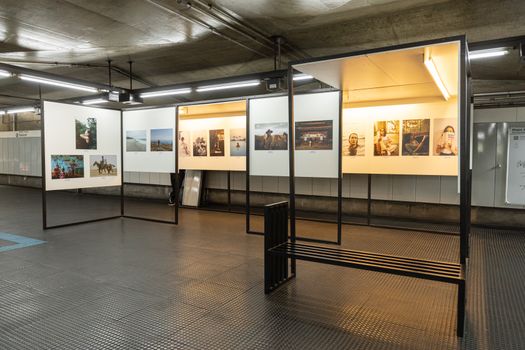
Art gallery hallway with framed artworks and visitors seated inside, under warm lighting.Photo: ProtSilver Chen / Pexels
Understanding what is contemporary art requires an appreciation for the diverse movements and influential artists that populate its landscape. Unlike historical art periods with clear stylistic markers, contemporary art is characterized by a multiplicity of concurrent movements, often overlapping and cross-pollinating. This makes for a rich, albeit sometimes overwhelming, field of study and appreciation. One significant thread is **Neo-Expressionism**, which emerged in the late 1970s and 80s, primarily in Germany and Italy. Artists like Anselm Kiefer and Julian Schnabel reacted against the perceived intellectualism of conceptual and minimalist art, returning to raw, emotive figuration and a powerful, often aggressive, painterly style. Their work frequently grappled with historical trauma, mythology, and existential themes, using bold colors and gestural brushstrokes to convey intense feeling. Another crucial movement is **Installation Art**, which gained prominence in the 1970s and has since become a dominant form. Artists like Yayoi Kusama, Olafur Eliasson, and James Turrell transform entire spaces into immersive environments, engaging all the viewer's senses. These installations often challenge traditional notions of art as a discrete object, instead creating experiences that are site-specific and ephemeral. The viewer becomes an active participant within the artwork, rather than a detached observer. **Video Art** and **New Media Art** have also profoundly impacted the contemporary scene, fueled by rapid technological advancements. Artists like Bill Viola and Nam June Paik pioneered video art, using the medium to explore narrative, time, and the human condition. Today, artists like Hito Steyerl delve into digital culture, artificial intelligence, and the politics of images in the internet age. These forms push the boundaries of visual communication, reflecting our increasingly screen-mediated existence. **Performance Art**, with roots stretching back to Dada and Fluxus, continues to be a vital contemporary expression. Artists such as Marina Abramović and Tino Sehgal use their bodies and live actions to explore themes of identity, endurance, and social interaction. Performance art is inherently ephemeral, existing in the moment of its execution, and often challenges the commercial aspects of the art world by creating experiences that cannot be bought or sold in a traditional sense. These diverse movements, along with many others such as Street Art, Bio Art, and Relational Aesthetics, demonstrate the dynamic and ever-evolving nature of contemporary art. While they may seem disparate, they are united by a common thread: a willingness to question, to experiment, and to reflect the complexities of the contemporary human experience.

Engaging with Contemporary Art: Tips for the Enthusiast

A woman stands observing a colorful rainbow art installation indoors.Photo: Francesco Ungaro / Pexels
Approaching what is contemporary art can sometimes feel daunting, especially given its vast diversity and often challenging nature. However, with a few key strategies, you can unlock a deeper appreciation and find immense satisfaction in engaging with this vibrant field. **Tips for the Enthusiast:** * **Visit local galleries and museums:** The best way to understand contemporary art is to experience it firsthand. Many cities have dedicated contemporary art museums or galleries that showcase emerging and established artists. Check their schedules for new exhibitions and artist talks. * **Read exhibition texts and artist statements:** Don't skip the wall texts! These often provide crucial context about the artist's intentions, the themes explored, and the materials used. They are your guide to understanding the conceptual underpinnings of the work. * **Research the artist and their influences:** A quick online search can reveal a wealth of information about an artist's background, their previous works, and the historical or social movements that inform their practice. This context can significantly enrich your viewing experience. * **Attend artist talks and panel discussions:** Hearing artists speak about their work in their own words, and engaging in discussions with critics and curators, can provide invaluable insights into their creative process and the broader art world. * **Embrace discomfort and curiosity:** Contemporary art often aims to challenge, provoke, or even mystify. Instead of dismissing what you don't immediately understand, approach it with an open mind and a sense of curiosity. Ask yourself: 'Why did the artist make this? What ideas are they exploring? How does it make me feel?' * **Don't be afraid to form your own opinions:** There's no single 'right' way to interpret contemporary art. Your personal response and intellectual engagement are valid. Discuss your thoughts with others to broaden your perspective. * **Explore online resources:** Websites like Artnet, Artsy, Frieze, and Hyperallergic offer extensive articles, reviews, and interviews that can help you stay current with trends and deepen your knowledge. * **Consider taking an art history or appreciation course:** Formal education can provide a structured framework for understanding the evolution of art and its contemporary manifestations. Even a short online course can be beneficial. By adopting these approaches, you'll find that contemporary art is not just a collection of objects, but a dynamic conversation that you can actively participate in, enriching your understanding of culture, society, and yourself. It's a journey of discovery that continually rewards an open and inquiring mind.

Comparison

FeatureContemporary ArtModern ArtClassical Art
Time Period1960s/70s - Present1860s - 1960s/70sAncient Greece/Rome - 18th Century
Key FocusConcept, Social Issues, DiversityInnovation, Abstraction, Self-ExpressionIdealism, Order, Tradition
MediumsMixed Media, Digital, Performance, Installation, VideoOil Paint, Sculpture, PhotographyMarble, Bronze, Fresco, Oil Paint
Viewer EngagementActive interpretation, Critical thoughtEmotional, Intellectual responseAesthetic appreciation, Narrative
Aesthetic ValuesChallenges norms, often unconventionalBreaks from tradition, new formsBeauty, Harmony, Proportion

What Our Readers Say

5 ★★★★★

"This article completely demystified what is contemporary art for me. I used to feel intimidated by galleries, but now I feel equipped to actually engage with the pieces and understand the artists' messages."

5 ★★★★★

"As an aspiring artist, understanding the nuances of contemporary art is crucial. This guide provided an incredibly thorough and digestible overview of the movements and concepts that define this era."

5 ★★★★★

"After reading this, I visited a contemporary art exhibition and found myself connecting with the art in a way I never had before. The tips on engaging critically made all the difference in my experience."

4 ★★★★☆

"The depth of information here is impressive, although some sections were quite dense. Overall, it's an excellent resource for anyone looking to seriously understand what contemporary art entails, even if it requires a few re-reads."

5 ★★★★★

"I'm a casual art enthusiast, and this article made contemporary art feel much more approachable. I especially appreciated the breakdown of key characteristics and the practical tips for engaging with the art."

Frequently Asked Questions

What is the main difference between modern and contemporary art?
Modern art generally refers to art produced between the 1860s and the 1960s, characterized by a break from traditional forms and a focus on innovation and abstraction. Contemporary art, in contrast, spans from the 1960s/70s to the present, embracing extreme diversity in mediums, often prioritizing concept over aesthetics, and frequently engaging with current social and political issues.
Is contemporary art always abstract or difficult to understand?
No, contemporary art is not always abstract, though abstraction is certainly one of its many forms. It encompasses a vast range of styles, from hyperrealism to conceptual installations. While some pieces may require more context or critical thought to appreciate, many are visually engaging and emotionally resonant, and the 'difficulty' often stems from challenging preconceived notions of what art should be.
How can I start appreciating contemporary art if I'm new to it?
Start by visiting local contemporary art galleries and museums. Read the wall texts and artist statements carefully to understand the context. Don't be afraid to ask questions or research artists you find interesting. Most importantly, approach the art with an open mind and allow yourself to feel, think, and form your own interpretations rather than expecting a single 'correct' meaning.
Is contemporary art a good investment?
While some contemporary art pieces can appreciate significantly in value, art investment is highly speculative and complex. It's often driven by market trends, critical acclaim, and the artist's career trajectory, rather than inherent value. It's generally advised to buy art because you love it and want to live with it, rather than purely for financial gain, especially for new collectors.
How does contemporary art compare to street art?
Street art, while often a form of contemporary art, is a specific genre characterized by its public, often unsanctioned, location and its engagement with urban environments. Contemporary art is a much broader category that includes street art but also encompasses gallery-based works, digital art, performance, and more, across all mediums and themes. Street art is a powerful and visible facet of contemporary artistic expression.
Who should engage with contemporary art?
Anyone with an open mind and a curiosity about the world should engage with contemporary art. It's for those who enjoy critical thinking, appreciate diverse perspectives, and want to understand the cultural, social, and political dialogues of our time. It offers a unique lens through which to view and interpret the complexities of modern life.
Are there any ethical concerns or controversies commonly found in contemporary art?
Yes, contemporary art often engages with challenging and controversial themes, leading to ethical debates. These can revolve around the use of certain materials, the portrayal of sensitive subjects, the ownership of ideas, or the impact of art on public spaces. These controversies often spark important conversations about artistic freedom, social responsibility, and the role of art in society.
What are the future trends expected in contemporary art?
Future trends in contemporary art are likely to continue exploring the intersection of art and technology, with increased integration of AI, virtual reality, and augmented reality. Environmental concerns and climate change will remain prominent themes, as will ongoing investigations into identity, globalization, and social justice. We can also expect further blurring of traditional art forms and a continued emphasis on participatory and immersive experiences.

Embark on your journey into the fascinating world of what is contemporary art. With an open mind and the insights from this guide, you're ready to explore, question, and connect with the art of our time.

Topics: what is contemporary artmodern art definitionart historycontemporary artistsart movements