What is Contemporary Art? A Deep Dive for Beginners
what is contemporary art

What is Contemporary Art? A Deep Dive for Beginners

Explore the vibrant, ever-evolving world of contemporary art and unlock a new dimension of cultural understanding and appreciation.

Start Your Journey

Key Takeaways

  • ✓ Contemporary art generally refers to art produced from the 1960s or 1970s up to the present day.
  • ✓ It is characterized by its diversity, often challenging traditional notions of art, materials, and display.
  • ✓ Performance art, video art, installation art, and conceptual art are prominent forms within the contemporary landscape.
  • ✓ Engagement with social, political, and cultural issues is a frequent theme in contemporary artworks.

How It Works

1
Understand the Timeline

Contemporary art follows modern art, beginning roughly in the late 20th century. This distinction helps contextualize its departure from earlier styles.

2
Embrace Diversity

There isn't one singular 'contemporary art style.' It encompasses a vast array of mediums, techniques, and philosophies, encouraging an open mind.

3
Look for Context and Concept

Many contemporary works prioritize the idea or message over purely aesthetic beauty. Researching the artist and their intent can greatly enhance appreciation.

4
Engage and Question

Don't be afraid to ask questions, discuss, and form your own opinions. Contemporary art often thrives on dialogue and personal interpretation.

Defining Contemporary Art: Beyond the Canvas
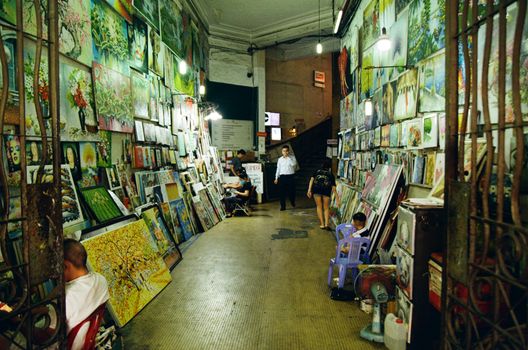
Vibrant art exhibition corridor in Ho Chi Minh City, featuring diverse paintings and visitors. Photo: Spencer Lee / Pexels
The question, "what is contemporary art?" often elicits a shrug, a perplexed look, or even a dismissive chuckle from those unfamiliar with its vast and often perplexing landscape. Unlike historical art periods with clear stylistic boundaries, contemporary art resists easy categorization. Broadly speaking, it refers to art made in our lifetime, or more precisely, from the 1960s or 1970s to the present day. This temporal definition, however, only scratches the surface of its true nature. What truly sets contemporary art apart is its radical break from traditional artistic conventions, its boundless exploration of mediums, and its often intense engagement with the socio-political fabric of our world. It’s a period marked by unprecedented freedom, where artists are no longer bound by the dictates of academies or the expectations of singular aesthetic movements. Instead, they are free to experiment with anything from oil paint to digital code, from found objects to their own bodies. This expansive approach means that a contemporary artwork could be a monumental sculpture, a fleeting performance, a thought-provoking video installation, or even an interactive digital experience. The emphasis often shifts from the finished product to the process, the concept, or the viewer's experience itself. This can be challenging for those accustomed to more traditional forms of art, where technical mastery and visual beauty are paramount. In contemporary art, the 'why' often outweighs the 'how' or 'what.' Understanding the historical trajectory of art helps contextualize this shift, as contemporary art builds upon, reacts against, and reinterprets centuries of artistic tradition. It invites us to question our assumptions about art itself: what can art be, who can make it, and what purpose does it serve in society? This period is not about finding a single answer but about embracing a multitude of perspectives and possibilities. It's a living, breathing dialogue between artists, their work, and the audience, constantly evolving and redefining itself. As we delve deeper, we'll explore specific characteristics and movements that have shaped this dynamic era, helping to demystify its often-intimidating façade and reveal its profound relevance to our contemporary lives.

Key Movements and Influences Shaping Today's Art Scene
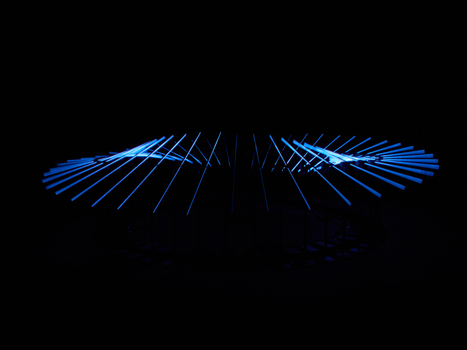
A captivating abstract blue light sculpture glows against a black background. Photo: Alexandr Meadow / Pexels
To truly grasp what is contemporary art, one must navigate the myriad movements and influences that have shaped its trajectory since the mid-20th century. While contemporary art is characterized by its lack of a singular dominant style, several key movements and philosophical shifts have left an indelible mark, paving the way for the incredible diversity we see today. One of the most significant precursors was Pop Art, emerging in the 1950s and 60s, which famously blurred the lines between high art and popular culture, incorporating imagery from advertising, comic books, and everyday objects. Artists like Andy Warhol challenged notions of originality and authenticity, setting the stage for subsequent movements that would further dismantle traditional art hierarchies. Following Pop Art, Conceptual Art took center stage, prioritizing the idea or concept behind the artwork over its aesthetic or material form. Sol LeWitt famously stated, "The idea itself, even if not made visual, is as much a work of art as any finished product." This intellectual turn profoundly influenced subsequent generations, encouraging artists to engage with philosophy, language, and social theory. Minimalism, with its focus on geometric forms, industrial materials, and a reduction of artistic expression to its essential elements, also played a crucial role in pushing boundaries. Artists like Donald Judd and Dan Flavin created works that demanded the viewer's active engagement with space and form, rather than passive contemplation of a narrative or representation. The late 20th century also saw the rise of Postmodernism, a broad cultural and philosophical movement that questioned grand narratives, embraced irony, pastiche, and a skeptical attitude towards claims of universal truth. In art, this translated into a playful appropriation of historical styles, a blurring of genres, and a heightened awareness of art's role in constructing meaning. Performance Art, Body Art, and Installation Art emerged as significant forms, moving art out of the traditional gallery space and into direct engagement with the audience and environment. Artists used their own bodies as canvases, created immersive experiences, and challenged the very definition of what an art object could be. These movements, alongside others like Land Art, Feminist Art, and Identity Politics art, have collectively contributed to the rich tapestry of contemporary art. They represent a continuous dialogue with the past, a relentless questioning of the present, and an imaginative projection into the future, making contemporary art a vibrant reflection of our complex world.

Engaging with Contemporary Art: Tips for the Curious Viewer
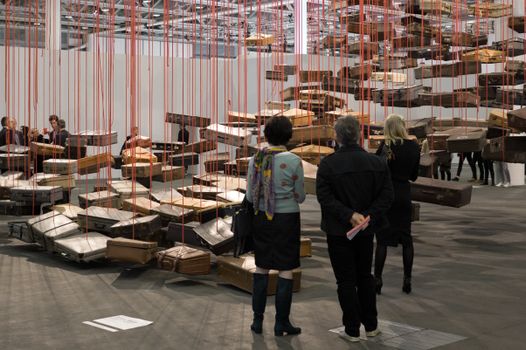
Visitors explore artistic installations of suspended luggage at a modern art exhibition. Photo: mali maeder / Pexels
For many, stepping into a contemporary art gallery can feel like entering a foreign land without a map. Works that defy traditional aesthetics, utilize unconventional materials, or challenge deeply held beliefs can be intimidating. However, engaging with what is contemporary art doesn't require a specialized degree; it requires an open mind and a willingness to explore. The first and most crucial tip is to let go of preconceived notions of what art 'should' be. Forget the expectation of a beautifully rendered landscape or a perfectly sculpted figure. Contemporary art often operates on different principles. Instead, approach each piece with curiosity. Ask yourself: What am I seeing? What materials are used? How does this make me feel? What questions does it raise? Don't be afraid to admit confusion; it's often the starting point for deeper understanding. Context is king in contemporary art. Many works are deeply rooted in specific social, political, or personal narratives. Look for wall texts, artist statements, or exhibition catalogs. These resources often provide invaluable insights into the artist's intentions, the historical background of the piece, or the themes it addresses. Understanding the 'why' behind an artwork can transform a seemingly random collection of objects into a profound statement. Engaging with the work physically, where possible, is also beneficial. Walk around an installation, observe it from different angles, and consider how your presence affects your perception. Some contemporary art is interactive, inviting direct participation, which further blurs the line between viewer and creator. Developing your art appreciation skills is an ongoing journey, and contemporary art offers a unique training ground for critical thinking and empathy. Discuss your observations and interpretations with others. Art is a conversation, and hearing different perspectives can illuminate aspects you might have missed. Remember, there's no single 'correct' way to interpret a contemporary artwork. Your personal experience and emotional response are valid and contribute to the artwork's meaning. The goal isn't always to 'like' every piece, but to understand its purpose, its message, and its place in the broader cultural dialogue. By embracing this approach, you'll find that contemporary art can be an incredibly rewarding and intellectually stimulating experience, offering fresh perspectives on the world we inhabit.

Common Misconceptions and How to Overcome Them

Young redheaded artist holding paintbrushes in art studio with artworks on the wall. Photo: Pavel Danilyuk / Pexels
The world of contemporary art is often shrouded in misconceptions, leading many to dismiss it as inaccessible, pretentious, or simply 'not art.' Addressing these common pitfalls is essential for anyone seeking to understand what is contemporary art truly about. One pervasive misconception is that contemporary art requires a high degree of intellectualism or prior art knowledge to be appreciated. While some works do engage with complex philosophical ideas, many are designed to provoke an immediate emotional or sensory response. The idea that you 'don't get it' is often a self-imposed barrier. Instead, approach it as you would a new genre of music or literature – with an open mind and a willingness to be surprised. Another frequent criticism is that contemporary art is 'just anything,' implying a lack of skill or effort. This couldn't be further from the truth. While the aesthetic might deviate from traditional forms, contemporary artists often possess immense technical skill, albeit applied in unconventional ways. They might be masters of digital manipulation, expert fabricators, or highly trained in performance techniques. The 'effort' often lies in the conceptualization and execution of groundbreaking ideas, rather than solely in rendering a realistic image. **Tips to Overcome Misconceptions:** * **Challenge Your Definition of Art:** Expand your understanding beyond painting and sculpture. Embrace performance, video, sound, and digital art as legitimate forms of artistic expression. * **Read the Labels (Seriously):** As mentioned, context is vital. Artist statements and wall texts are your best friends for deciphering intent and background. * **Visit a Variety of Venues:** Don't limit yourself to one type of gallery. Explore museums, independent art spaces, pop-up exhibitions, and even public art installations. Each offers a different lens. * **Talk to Others:** Engage with gallery staff, fellow visitors, or even online communities. Discussing art can reveal new perspectives and break down personal biases. * **Embrace Discomfort:** Some contemporary art is designed to challenge, provoke, or even disturb. This discomfort can be a catalyst for introspection and growth, pushing you beyond your comfort zone. * **Focus on the Experience:** Rather than judging a piece solely on whether it's 'beautiful,' consider the experience it creates, the questions it raises, or the emotions it evokes. What does it make you think or feel? By consciously working to dismantle these misconceptions, you open yourself up to a much richer and more rewarding engagement with contemporary art, discovering its power to reflect, critique, and even shape our world.

Comparison

FeatureContemporary ArtModern ArtClassical Art
Time Period1960s/70s - Present1860s - 1970sAncient to Mid-19th Century
Key FocusConcept, Experience, Social IssuesInnovation, Abstraction, Self-ExpressionIdealism, Technical Mastery, Narrative
MediumsDiverse (Video, Performance, Installation, Digital, etc.)Painting, Sculpture (often traditional materials)Painting, Sculpture, Architecture
Audience RoleActive Participant/InterpreterObserver/InterpreterAppreciator of Craft/Beauty
CharacteristicsPluralistic, Challenging, Context-dependentRevolutionary, Stylistic breaks, Avant-gardeHarmonious, Representational, Canon-driven

What Readers Say

"This article completely demystified contemporary art for me! I used to feel so lost in galleries, but now I understand the 'why' behind so many pieces. It's truly helped me appreciate art on a deeper level."

Sarah J. · Brooklyn, NY

"As an aspiring artist, understanding what is contemporary art is crucial. This guide provided an excellent overview of movements and thought processes that influence today's art. Highly recommended for anyone in the arts."

Mark D. · Los Angeles, CA

"Before reading this, I thought contemporary art was just weird. Now, I find myself actively seeking out new exhibitions and engaging with the concepts. My last visit to the MCA was far more enriching thanks to this insight."

Emily R. · Chicago, IL

"A very thorough and helpful breakdown. While some aspects still feel abstract, the tips on how to approach and interpret contemporary pieces have made a significant difference in my gallery visits. It's a great starting point."

David L. · Austin, TX

"I'm a cultural tourist, and this piece helped me prepare for my trip to Art Basel. Knowing what to look for and how to engage with the works made the entire experience much more meaningful. Thank you!"

Jessica M. · Miami, FL

Frequently Asked Questions

What is the main difference between contemporary art and modern art?

Modern art generally refers to art from the 1860s to the 1970s, characterized by a break from tradition and a focus on abstraction and self-expression. Contemporary art, beginning roughly in the 1960s/70s, is defined by its diversity, conceptual focus, and engagement with current social, political, and cultural issues, often using new media and unconventional materials. The distinction is largely chronological and thematic.

Is contemporary art always controversial or difficult to understand?

Not always. While some contemporary art deliberately challenges norms and can be provocative, much of it aims to engage viewers in thought-provoking ways rather than to confuse. The perceived difficulty often stems from unfamiliarity with its underlying concepts and varied forms. With a bit of context, many works become much more accessible and rewarding.

How can I start appreciating contemporary art if I find it intimidating?

Begin by visiting local galleries or museums with contemporary collections. Don't feel pressured to 'get it' immediately. Read the explanatory texts, research the artists, and try to understand the concept or message behind the work. Focus on how a piece makes you feel or what questions it raises, rather than solely on aesthetics. Engage in discussions with others and be open to new perspectives.

Does contemporary art hold investment value, or is it purely for aesthetic enjoyment?

Contemporary art can certainly hold significant investment value, with some artists' works fetching millions at auction. However, its value is often tied to critical acclaim, market trends, and the artist's career trajectory, making it a speculative investment. For most, the primary value lies in its aesthetic, intellectual, and cultural contribution, offering profound opportunities for contemplation and engagement.

How does contemporary art compare to street art or graffiti?

Street art and graffiti can absolutely be considered forms of contemporary art. While traditionally seen as subversive or outside mainstream institutions, many street artists have gained significant recognition in the art world, with their works exhibited in galleries and museums. The key distinction often lies in context and intent, but the boundaries are increasingly blurred, and street art's public, often socially conscious nature aligns well with many contemporary art themes.

Who should engage with contemporary art?

Anyone and everyone! Contemporary art is for curious minds, for those who enjoy intellectual challenges, for individuals interested in current social and political discourse, and for anyone seeking new ways to perceive and interpret the world. It's particularly relevant for students, artists, cultural enthusiasts, and anyone looking to expand their worldview.

Are there ethical considerations often explored in contemporary art?

Yes, ethical considerations are a frequent and significant theme. Contemporary artists often tackle issues like environmental degradation, human rights, social justice, identity politics, and the impact of technology. Their work can provoke dialogue, challenge moral complacency, and encourage viewers to reflect on their own ethical responsibilities within society.

What future trends are anticipated in contemporary art?

Future trends in contemporary art are likely to continue exploring the intersection of art and technology, with increasing use of AI, virtual reality (VR), augmented reality (AR), and blockchain (NFTs). Expect greater emphasis on sustainability and eco-conscious art, further integration of science into artistic practice, and continued focus on global narratives, decolonization, and diverse cultural perspectives. Interactive and immersive experiences will also likely become more prevalent.

Embark on your journey into the captivating world of contemporary art. By understanding its nuances and embracing its diversity, you'll unlock a richer appreciation for the creative expressions shaping our present and future. Start exploring today!

Topics: what is contemporary artcontemporary art definitionmodern art movementsart appreciation guide21st century art
Leo List

DK Escorts LU Escorts AT Escorts SE Escorts FI Escorts CH Escorts DE Escorts HR Escorts IE Escorts GR Escorts CZ Escorts NO Escorts BE Escorts FR Escorts SI Escorts IL Escorts NL Escorts PL Escorts HU Escorts ES Escorts IT Escorts PT Escorts SK Escorts RO Escorts ZA Escorts UY Escorts US Escorts UK Escorts NZ Escorts AU Escorts
Brampton weed
Adultwork EstrelaBet Vai de Bet R7 Bet Betão Galera Bet Rainbet Bet9ja Shop SportyBet BetKing Sisal Loto Foot Hollywoodbets YesPlay Odibets RushBet Jugabet BetWarrior BetCity MSport betPawa Fortebet