Unveiling NYC's Masterpieces: The Ultimate Guide to Art Museums in New York City

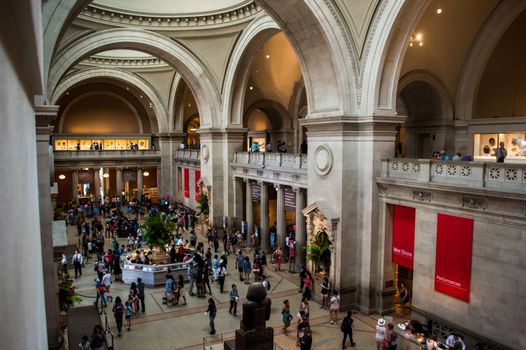
Visitors explore a historic museum with stunning vaulted ceilings and archways.Photo: Diego Mqz / Pexels

Unveiling NYC's Masterpieces: The Ultimate Guide to Art Museums in New York City

Dive into the unparalleled cultural tapestry of New York City and discover world-class art at every turn.

Start Your Art Journey

Key Takeaways

  • ✓ New York City hosts over 80 art museums, ranging from world-renowned institutions to intimate galleries.
  • ✓ Many museums offer free admission days or 'pay what you wish' policies, making art accessible to all.
  • ✓ The Metropolitan Museum of Art (The Met) is the largest art museum in the United States.
  • ✓ NYC's art scene spans centuries, from ancient artifacts to contemporary masterpieces.

How It Works

1
Plan Your Visit

Research museum hours, special exhibitions, and ticket prices in advance. Consider purchasing tickets online to save time and ensure entry.

2
Choose Your Focus

New York City offers diverse art experiences. Decide if you prefer classical, modern, contemporary, or a specific cultural art form to narrow down your choices.

3
Navigate with Ease

Utilize NYC's excellent public transportation (subway, bus) to travel between museums efficiently. Walking between nearby institutions can also be a delightful experience.

4
Immerse Yourself

Take your time to appreciate the art, read descriptions, and attend guided tours or talks if available. Don't forget to visit the museum shops for unique souvenirs.

The Iconic Pillars: Must-Visit Art Institutions in NYC
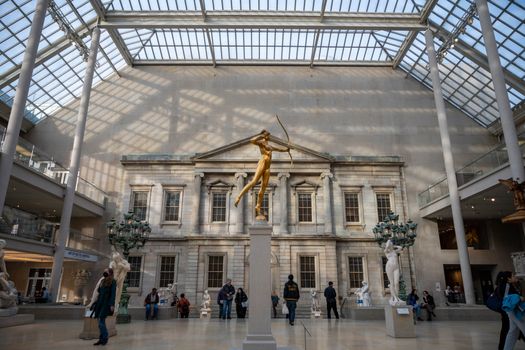
Elegant interior shot of The Met's sculpture gallery showcasing classical architecture and sculptures.Photo: Quang Vuong / Pexels
New York City’s art scene is legendary, anchored by a collection of institutions that are, in themselves, works of art. These iconic pillars draw millions of visitors annually, each offering a distinct journey through human creativity and history. To truly experience the depth and breadth of art museums in New York City, one must begin with these titans. The Metropolitan Museum of Art, affectionately known as The Met, stands as a colossus on Fifth Avenue. It is not merely a museum; it is a universe. With collections spanning over 5,000 years of world culture, from ancient Egyptian temples to European master paintings, and from intricate Islamic art to captivating American decorative arts, The Met offers an encyclopedic view of human artistic endeavor. Walking through its vast halls, you can find yourself face-to-face with a Roman statue one moment and an Impressionist masterpiece the next. Its sheer size demands multiple visits, or at least a focused approach to specific wings. Don't miss the Temple of Dendur, a stunning ancient Egyptian temple housed within a glass enclosure, or the rooftop garden (open seasonally) which offers breathtaking views of Central Park and the city skyline. The Met Cloisters, a branch of The Met located in Fort Tryon Park, transports visitors to medieval Europe with its architecture, gardens, and exquisite collection of medieval art and architecture. It's a serene escape from the urban hustle and a profound exploration of an often-overlooked period in art history. Another essential stop is the Museum of Modern Art (MoMA), a beacon for modern and contemporary art. Located in Midtown Manhattan, MoMA houses an unparalleled collection of painting, sculpture, drawing, photography, printmaking, electronic media, and design. Its walls boast masterpieces like Van Gogh's 'The Starry Night,' Picasso's 'Les Demoiselles d'Avignon,' and Warhol's 'Campbell's Soup Cans.' MoMA’s commitment to showcasing the avant-garde and exploring the evolution of modern thought through art makes it a dynamic and ever-changing experience. The museum frequently rotates its extensive collection and hosts groundbreaking temporary exhibitions, ensuring there's always something new to discover. The sculpture garden provides a peaceful outdoor respite, featuring works by renowned artists. The Solomon R. Guggenheim Museum, designed by Frank Lloyd Wright, is an architectural marvel in itself, with its distinctive spiraling ramp. This UNESCO World Heritage site is home to a significant collection of Impressionist, Post-Impressionist, early Modern, and contemporary art. The unique architectural design means that visitors ascend a continuous ramp, viewing art displayed along the walls and in smaller galleries off the main rotunda. The experience of traversing the building is as much a part of the art appreciation as the artworks themselves. The Guggenheim's focus on modern masters and its innovative exhibition program make it a pivotal destination for those interested in the 20th and 21st centuries. Lastly, the Whitney Museum of American Art, situated in the Meatpacking District, is dedicated exclusively to American art of the 20th and 21st centuries. Its collection emphasizes works by living artists and a comprehensive survey of American art history. The building, designed by Renzo Piano, offers stunning views of the Hudson River and the city from its numerous outdoor terraces. The Whitney is known for its biennial exhibition, which is a significant event in the American art world, showcasing the latest trends and emerging talents. These four institutions collectively represent the very heart of the New York City art scene, offering an immersive and comprehensive journey through human artistic achievement. Each visit promises new insights and a deeper appreciation for the creative spirit that defines humanity.

Beyond the Behemoths: Diverse Art Experiences and Hidden Gems
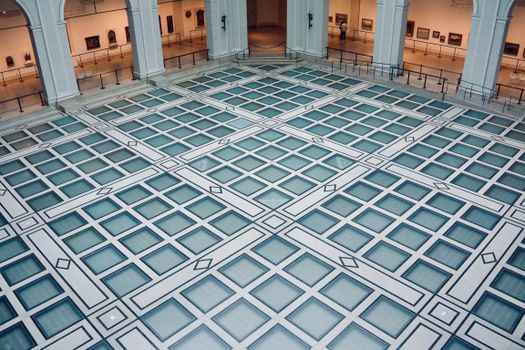
Explore the stunning geometric floor design in the beaux-arts court at Brooklyn Museum, New York City.Photo: Paul Buijs / Pexels
While the major institutions provide an essential foundation, the true richness of art museums in New York City lies in its incredible diversity. Beyond the world-famous names, countless other museums and galleries offer unique perspectives, specializing in specific periods, cultures, or artistic movements. Exploring these diverse art experiences allows for a deeper, more nuanced understanding of the city’s vibrant cultural landscape and often reveals unexpected treasures. For those interested in global cultures, the Brooklyn Museum stands out. As one of the oldest and largest art museums in the United States, it boasts an encyclopedic collection that rivals The Met in scope, yet maintains a distinct identity. Its holdings include an impressive array of Egyptian antiquities, African art, European painting, and a significant collection of American art, including the revolutionary 'Dinner Party' by Judy Chicago. The museum is also a vital cultural hub for Brooklyn, hosting numerous community events, concerts, and educational programs. Its diverse programming and extensive collections make it a worthwhile journey across the East River. The Frick Collection, housed in the former mansion of industrialist Henry Clay Frick, offers a more intimate and opulent experience. Located on the Upper East Side, this museum presents Old Master paintings, European sculpture, and decorative arts in a Gilded Age setting. The art is displayed within the lavish residential rooms, providing a glimpse into the lifestyle of a wealthy collector and allowing visitors to appreciate the artworks as they might have been originally seen. It’s a serene and elegant alternative to the larger, more bustling museums, perfect for quiet contemplation of masterpieces by Vermeer, Rembrandt, and Goya. For a dive into Asian art, the Asia Society Museum presents traditional and contemporary art from across Asia. Its exhibitions cover a wide range of cultures and historical periods, often highlighting contemporary issues and cross-cultural dialogues. Similarly, the Rubin Museum of Art in Chelsea is dedicated to the art and cultures of the Himalayas, India, and neighboring regions. With a focus on Tibetan Buddhist art, the Rubin offers a deeply spiritual and aesthetically rich experience, often accompanied by insightful programming and meditation sessions. Photography enthusiasts will find their haven at the International Center of Photography (ICP). With a museum and a school, ICP is a global leader in photography, showcasing historical and contemporary works, and exploring the medium’s profound impact on society. Its exhibitions are often thought-provoking and push the boundaries of visual storytelling. For something truly unique, consider the New Museum of Contemporary Art on the Lower East Side. As its name suggests, it is exclusively dedicated to presenting new art and new ideas from around the world. It’s a dynamic space that challenges conventions and provides a platform for emerging and under-recognized artists. Its bold exhibitions and architectural statement make it a compelling visit for those seeking the cutting edge of contemporary art. Finally, don't overlook the myriad of smaller, specialized galleries scattered throughout neighborhoods like Chelsea, the Lower East Side, and Tribeca. While not strictly museums, these galleries often host free exhibitions of contemporary artists, offering a direct connection to the pulse of the current art market and a chance to discover future art stars. These diverse venues collectively paint a comprehensive picture of the artistic spirit that permeates every corner of New York City, proving that art here is not confined to grand institutions but thrives in every form and locale.

Planning Your Art Itinerary: Maximizing Your Museum Experience
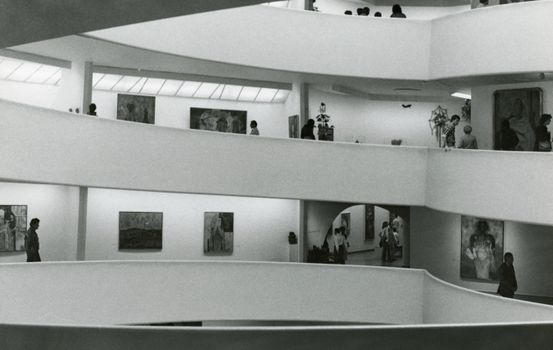
Black and white photo of a modern art museum interior with paintings and visitors.Photo: Malcolm Hill / Pexels
Navigating the vast landscape of art museums in New York City requires thoughtful planning to ensure a rewarding and enjoyable experience. With so many world-class institutions, it’s easy to feel overwhelmed. However, a strategic approach can transform your visit from a rushed tour into a deeply enriching cultural immersion. First and foremost, consider your interests. Are you drawn to ancient civilizations, European masters, modern abstract art, or perhaps a specific cultural art form? Focusing on your preferences will help narrow down the options. For example, if you're passionate about Impressionism, MoMA and the Guggenheim would be high on your list. If contemporary American art is your calling, the Whitney is indispensable. Don't try to see everything in one trip; instead, choose a few key museums that align with your artistic tastes and allow ample time for each. Rushing through a museum diminishes the experience and can lead to art fatigue. Logistics are crucial. Check museum websites for current hours of operation, as these can vary, especially on holidays. Many museums offer specific free admission days or 'pay what you wish' hours. For instance, the Guggenheim offers 'pay what you wish' on Saturday evenings. Researching these opportunities can significantly reduce costs. Always check if advance ticket reservations are required, as this has become more common post-pandemic. Purchasing tickets online not only saves time but often guarantees entry, especially for popular exhibitions. Transportation is another key factor. New York City's subway system is efficient and extensive, making it the best way to travel between different neighborhoods and museums. Familiarize yourself with the subway map or use a navigation app to plan your routes. Some museums are clustered together, allowing for walking between them. For example, The Met, Guggenheim, and Neue Galerie are all along Museum Mile on Fifth Avenue, making them ideal for a multi-museum day. However, pacing yourself is vital; even walking between a few museums can be tiring. Enhance your visit by taking advantage of guided tours or audio guides. Many museums offer free docent-led tours that provide invaluable insights and context to the artworks. Audio guides, often available for a small fee or included with admission, allow you to explore at your own pace while still benefiting from expert commentary. Look out for special exhibitions, which often feature unique collections or perspectives not typically on display. These temporary shows can be a major draw and might require separate or timed tickets. Don't forget to incorporate breaks. Museum visits can be physically and mentally demanding. Most museums have cafes or restaurants where you can grab a snack or a meal. Take time to sit, reflect, and recharge. The museum shop can also be a fun stop for unique souvenirs or art books. If traveling with children, look for museums with family-friendly programs or interactive exhibits, such as the Children's Museum of the Arts or specialized tours at larger institutions. By carefully planning your itinerary and considering these practical tips, your exploration of New York's art scene will be both seamless and profoundly enriching, leaving you with lasting memories of its magnificent collections.

Tips for an Optimal Museum Visit and Common Mistakes to Avoid
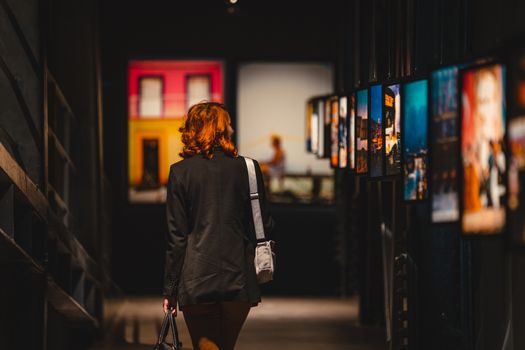
A woman with a bag walks through a dimly-lit art exhibition corridor.Photo: Sami TÜRK / Pexels
To truly get the most out of your exploration of art museums in New York City, a few key tips can elevate your experience, while avoiding common pitfalls can save you time, money, and frustration. **Tips for an Optimal Museum Visit:** * **Go Early or Late:** Crowds can significantly impact your enjoyment. Arriving right when the museum opens or visiting in the late afternoon (an hour or two before closing) can mean fewer people and a more peaceful viewing experience. Weekday visits are generally less crowded than weekends. * **Wear Comfortable Shoes:** You'll be doing a lot of walking, often on hard floors. Prioritize comfort over fashion to avoid sore feet. * **Check Bag Policies:** Many museums have strict bag policies, requiring larger backpacks or bags to be checked. Know this in advance to avoid delays. Some even restrict water bottles, so check their specific guidelines. * **Look Up, Look Down, Look All Around:** Art isn't just on the walls. Pay attention to ceilings, floors, and the architecture itself. The museum building is often an artwork in its own right. * **Engage with Staff:** Don't hesitate to ask museum staff or docents questions. They are a wealth of knowledge and can offer insights you might otherwise miss. * **Take Photos (Respectfully):** Most museums allow photography without flash for personal use. Always check signage, and be mindful of other visitors' viewing experiences. No flash, and don't block pathways. * **Pace Yourself:** It's better to deeply appreciate a few galleries than to rush through an entire museum. Quality over quantity. * **Hydrate and Snack:** Keep a small water bottle (if allowed) and a non-messy snack in your bag. Museum cafes can be expensive. * **Utilize Free Resources:** Many museums offer free Wi-Fi, which can be useful for looking up more information about artworks or navigating the museum's digital resources. **Common Mistakes to Avoid:** * **Over-scheduling:** Trying to cram too many museums into one day is a recipe for exhaustion and art fatigue. You'll end up remembering very little. * **Ignoring Advance Bookings:** For popular exhibitions or during peak tourist seasons, showing up without a pre-booked ticket can mean long waits or even being turned away. * **Forgetting Your Student/Senior ID:** Many museums offer discounted admission for students, seniors, or even military personnel. Always carry relevant identification. * **Not Researching Special Exhibitions:** Sometimes the main draw is a temporary exhibition. Ensure you know what's on and if it requires a separate ticket. * **Eating/Drinking Near Artworks:** This is a universal museum rule to protect the art. Always respect designated areas for food and beverages. * **Touching the Art:** Even if there's no barrier, resist the urge to touch. Oils and dirt from hands can damage delicate surfaces. * **Skipping the Information:** While you don't need to read every single label, skipping all contextual information can diminish your understanding and appreciation of the art. * **Ignoring Accessibility Needs:** If you or a companion has accessibility needs, check the museum's website beforehand for information on ramps, elevators, and specific accommodations. By keeping these tips in mind and avoiding these common mistakes, your visit to any of the magnificent art museums in New York City will be a far more enjoyable and enriching experience, allowing you to truly connect with the art and culture on display.

Comparison

FeatureThe MetMoMAGuggenheimWhitney
Collection ScopeEncyclopedic (5000+ years)Modern & ContemporaryModern & Contemporary (unique architecture)20th & 21st Century American
ArchitectureClassical, GrandModern, SpaciousFrank Lloyd Wright SpiralRenzo Piano, Industrial Chic
Best ForHistory buffs, diverse interestsModern art lovers, iconic worksArchitectural enthusiasts, unique experienceContemporary American art, river views
Free/Discounted EntryPay-what-you-wish (NY residents/students)Free for under 16, various discountsPay-what-you-wish (Sat evenings)Free for under 18, various discounts
Approx. Visit Time3-5+ hours (multiple visits ideal)2-4 hours1.5-3 hours2-3 hours

What Our Readers Say

5 ★★★★★

"The Met was an absolute dream! I spent an entire day there and still felt like I only scratched the surface. The range of art from ancient Egypt to European masters made it an unforgettable experience, truly one of the best art museums in New York City."

5 ★★★★★

"MoMA exceeded all my expectations. Seeing 'The Starry Night' in person was breathtaking, and the contemporary exhibits were incredibly thought-provoking. A must-visit for anyone interested in modern art in NYC."

5 ★★★★★

"The Guggenheim's architecture alone is worth the visit, but the art inside is just as stunning. The unique spiral ramp made viewing the art a truly immersive experience, unlike any other museum I've visited. My appreciation for Kandinsky grew tenfold."

4 ★★★★☆

"The Whitney offered a fantastic overview of American contemporary art, and the views from the terraces were spectacular. While I enjoyed the collection, some exhibits felt a bit too niche for my taste, but overall, a very strong showing."

5 ★★★★★

"As someone who prefers a more intimate setting, The Frick Collection was perfect. The art displayed within the mansion felt so personal and grand. It was a wonderful escape from the usual hustle and bustle of exploring art museums in New York City."

Frequently Asked Questions

What are the must-visit art museums in New York City for a first-time visitor?
For a first-time visitor, the absolute must-visits are The Metropolitan Museum of Art (The Met) for its encyclopedic collection, and the Museum of Modern Art (MoMA) for iconic modern and contemporary masterpieces. The Solomon R. Guggenheim Museum is also highly recommended for its unique architecture and collection, offering a distinct experience.
Are there any art museums in New York City that offer free admission?
Yes, several museums offer free or 'pay what you wish' admission. The Metropolitan Museum of Art offers 'pay what you wish' for New York State residents and students from NY, NJ, and CT. The Solomon R. Guggenheim Museum has 'pay what you wish' on Saturday evenings. Many smaller galleries in neighborhoods like Chelsea are also free to enter. Always check individual museum websites for current policies.
How can I best plan my visit to multiple art museums in New York City?
To plan effectively, group museums by proximity (e.g., Museum Mile for The Met and Guggenheim). Prioritize based on your interests and consider purchasing tickets online in advance to save time. Allocate at least 2-3 hours per museum, and use NYC's subway for efficient travel between locations. Don't try to see too much in one day to avoid art fatigue.
Is visiting art museums in New York City expensive?
While some major museums have standard adult admission fees ranging from $25-$30, there are many ways to make it affordable. Utilize 'pay what you wish' days/hours, look for student/senior discounts, or explore the numerous free galleries. Investing in a city pass might also be cost-effective if you plan to visit many attractions.
How do New York City's art museums compare to those in other major cities like Paris or London?
New York City's art museums stand shoulder-to-shoulder with the world's best, offering an unparalleled breadth and depth, particularly in American, modern, and contemporary art. While Paris excels in classic European art (Louvre, Orsay) and London in historical collections (British Museum, National Gallery), NYC's institutions like The Met, MoMA, and Whitney provide a unique and comprehensive global perspective, especially reflecting the last two centuries of artistic innovation.
Who should visit the art museums in New York City?
Anyone with an interest in art, history, culture, or simply seeking inspiration should visit. From seasoned art connoisseurs to curious first-timers, families with children looking for educational experiences, or solo travelers seeking quiet contemplation, NYC's diverse art museums offer something for every age and interest level.
Are the art museums in New York City safe for visitors?
Yes, New York City's art museums are generally very safe. They employ extensive security measures, including bag checks, security personnel, and surveillance. Visitors should always be mindful of their personal belongings, especially in crowded areas, but the museums themselves are well-managed and secure environments.
What are the emerging trends in art exhibitions at NYC museums?
Emerging trends include a greater focus on diverse voices and underrepresented artists, a rise in immersive and interactive digital art experiences, and exhibitions that explore contemporary social and environmental issues. Museums are also increasingly engaging with new technologies like AI and augmented reality to enhance visitor engagement and interpret art in innovative ways.

Embark on an unforgettable cultural journey through the unparalleled art museums in New York City. Whether you seek ancient wonders, modern masterpieces, or cutting-edge contemporary art, NYC's vibrant art scene promises to inspire and enrich your soul. Start planning your personalized art adventure today and discover the masterpieces that await.

Topics: art museums in New York CityNYC art galleriesbest NYC museumsNew York City cultureart exhibitions NYC
Leo List
Brampton weed
Adultwork