✓ No prior experience is necessary to begin painting.
✓ Acrylics are often recommended as the best starting paint due to their versatility and quick drying time.
✓ Basic supplies can be affordable and are sufficient to get started.
✓ Focus on enjoying the process and experimenting rather than striving for perfection immediately.
How It Works
1
Gather Your Essential Supplies
Start with a basic set of paints (acrylics are ideal), a few brushes, a palette, and a surface like canvas or paper. Don't overspend on expensive materials initially.
2
Understand Basic Color Theory
Familiarize yourself with primary, secondary, and tertiary colors, and how they mix. This foundational knowledge will greatly enhance your painting abilities.
3
Practice Fundamental Techniques
Experiment with different brushstrokes, blending, layering, and washes. Dedicate time to simple exercises to build muscle memory and confidence.
4
Start with Simple Subjects
Choose easy subjects like still life arrangements, simple landscapes, or abstract shapes. This allows you to focus on technique without getting overwhelmed by complex details.
Demystifying Your First Steps in Painting
Photo: Tara Winstead / Pexels
Embarking on the journey of painting can feel both exciting and daunting. Many aspiring artists are held back by the misconception that they need innate talent or years of training to create something beautiful. The truth, however, is far simpler and more empowering: painting is a skill that can be learned and developed by anyone, regardless of their background or perceived artistic ability. This comprehensive guide is designed to break down the barriers and provide you with a clear, actionable roadmap on how to start painting for beginners. We'll cover everything from choosing your initial supplies to understanding fundamental techniques and nurturing your creative spirit.
The first step often involves overcoming the fear of the blank canvas. It's a common psychological hurdle, but it's important to remember that every masterpiece began with a single mark. Your initial goal isn't to create a gallery-worthy piece, but to explore, experiment, and enjoy the process. Think of your first paintings as experiments, learning opportunities where mistakes are not failures but stepping stones to understanding. Embrace the imperfections, as they are often where true learning happens. This mindset shift is crucial for long-term enjoyment and progress in your artistic endeavors. Exploring different art forms can also provide inspiration and cross-pollination of ideas, helping you to see painting in a broader context.
Choosing the right medium is another critical decision for beginners. While oil paints offer rich colors and long drying times, making them challenging for novices, watercolor can be delicate and require a good understanding of water control. For these reasons, acrylic paints are almost universally recommended for beginners. They are water-soluble, meaning easy cleanup with just soap and water, and they dry relatively quickly, allowing for quick layering and corrections. Acrylics are also incredibly versatile; they can be used thickly like oils or thinned with water to mimic watercolors. This flexibility makes them an excellent medium to learn various techniques without the added complexity of other paint types. Their non-toxic nature is also a significant advantage, especially for those painting in home environments without specialized ventilation.
Beyond the choice of paint, understanding basic color theory will dramatically improve your results. You don't need to be a color expert from day one, but knowing the primary colors (red, blue, yellow), how to mix them to create secondary colors (orange, green, purple), and the concept of warm and cool colors will serve as a strong foundation. Experimenting with color mixing on a palette before applying it to your canvas can prevent frustration and help you achieve the desired hues. Don't be afraid to create your own color charts; this hands-on exercise is invaluable for building intuition about how colors interact. Ultimately, the journey of learning how to start painting for beginners is about patience, practice, and persistent exploration. Give yourself permission to be a beginner, and you’ll unlock a world of creative possibilities.
Essential Supplies and Setting Up Your Creative Space
Photo: Monika Szypuła-Bilska / Pexels
Before you even dip a brush, gathering the right supplies is paramount. However, 'right' doesn't mean expensive or exhaustive. For beginners, a minimalist approach is often best to avoid overwhelming yourself and your wallet. Let's break down the core items you'll need to kickstart your painting journey, focusing on affordability and functionality, especially when considering how to start painting for beginners.
Your paint choice, as discussed, should ideally be acrylics. A basic set of 6-12 colors from an affordable brand will suffice. Look for sets that include primary colors, black, and white. Brands like Liquitex Basics, Winsor & Newton Galeria, or even craft store acrylics are excellent starting points. You don't need artist-grade pigments initially; student-grade paints offer good coverage and color for learning purposes. As you progress, you can gradually invest in higher-quality paints if you find a preference for certain colors or brands.
Next, brushes. A common mistake is buying too many or too specialized brushes. For a beginner, a set of 3-5 synthetic brushes will be perfect. Look for a flat brush (around 1/2 inch to 1 inch), a round brush (medium size), and perhaps a smaller detail brush. Synthetic brushes are durable, easy to clean, and work well with acrylics. Natural hair brushes are often better suited for watercolors or oils. Remember, the shape and size of the brush dictate the kind of mark it makes, so experimenting with a few basic shapes will teach you a lot about their capabilities.
For a palette, simplicity is key. You can use almost anything non-porous: a ceramic plate, a plastic lid, a piece of glass, or even disposable paper palettes. The goal is a surface where you can mix your paints without them drying out too quickly or soaking into the material. As for painting surfaces, stretched canvases are popular, but canvas panels or even thick paper designed for acrylics (like mixed media paper or acrylic paper) are more cost-effective for practice. Don't feel pressured to use expensive canvases for your first few dozen attempts. The goal is to get paint on a surface and practice, not to create a masterpiece on a premium canvas.
Finally, you'll need a few auxiliary items: a couple of water containers (old yogurt cups or plastic containers work perfectly for rinsing brushes), paper towels or an old rag for wiping brushes, and an easel if you prefer to paint upright (though painting flat on a table is perfectly fine for beginners). Setting up your creative space doesn't require a dedicated studio. A corner of a room, a kitchen table, or even an outdoor patio can serve as your artistic sanctuary. Ensure good lighting, and protect your surfaces with newspaper or a drop cloth. The environment should be comfortable and free from major distractions, allowing you to immerse yourself in the creative process. Remember, the essence of how to start painting for beginners is accessibility and enjoyment.
Mastering Basic Techniques and Finding Your Artistic Voice
Photo: Anete Lusina / Pexels
With your supplies gathered and your space set up, it’s time to dive into the exciting world of techniques. Learning how to start painting for beginners isn't just about applying paint to a surface; it's about understanding how different applications create different effects, textures, and moods. Don't aim for perfection in these early stages; instead, focus on experimentation and building a mental library of what your tools can do.
One of the most fundamental techniques is brushwork. Practice holding your brush in different ways – close to the ferrule for control, or further back for looser, more gestural strokes. Experiment with pressure: light pressure for delicate lines, heavy pressure for bold marks. Try painting lines of varying thickness, then move on to filling shapes. Understand the difference between applying paint straight from the tube for opaque, vibrant color, and thinning it with water for translucent washes. These basic exercises will build your dexterity and confidence with the brush.
Blending is another crucial skill. With acrylics, you have a limited window before the paint dries, so working quickly or using a blending medium can be helpful. Practice blending two colors directly on the canvas, trying to achieve a smooth transition from one to the other. This skill is essential for creating realistic effects like gradients in a sky or subtle shifts in skin tone. Layering is also key; acrylics excel at this because they dry fast. You can build up thin layers of color, allowing each to dry before applying the next, to create depth and richness without muddying your colors. This is particularly useful when painting complex subjects or adding highlights and shadows.
Beyond these foundational techniques, don't shy away from texture. Use a palette knife instead of a brush to apply paint for thick, impasto effects. Experiment with dabbing, stippling, or dry brushing to create different visual interests. The beauty of painting is its endless possibilities for expression. As you practice these techniques, you'll begin to notice patterns in what you enjoy and what comes more naturally to you. This is the beginning of finding your unique artistic voice. Your style isn't something you force; it emerges organically from your preferences, your interpretations, and your consistent practice. Learning about famous artists' techniques can also provide inspiration and a broader understanding of how different approaches yield distinct results.
Finally, embrace the process of observation. The more you truly look at the world around you – the way light falls on an object, the subtle variations in color within a single leaf, the textures of different surfaces – the more material you'll have to translate into your art. Keep a sketchbook, make quick studies, or simply take mental notes. This practice of active observation will fuel your creativity and inform your technique, helping you to move beyond simply copying what you see to truly interpreting it. Remember, every master was once a beginner, and consistent, joyful practice is the only path forward.
Common Pitfalls and How to Overcome Them for New Painters
Photo: Mikhail Nilov / Pexels
As you delve deeper into how to start painting for beginners, you'll inevitably encounter challenges. These aren't roadblocks but opportunities for growth. Recognizing common pitfalls can help you navigate them more effectively and maintain your enthusiasm for painting.
One of the most frequent issues is overworking a painting. Beginners often feel the need to constantly add more detail or adjust colors, leading to muddy, lifeless results. The key here is to know when to stop. Sometimes, less is more. Step away from your painting for a while, even for a day, and return with fresh eyes. You might be surprised by how much you like it as is. Another common mistake is trying to achieve photographic realism too soon. While realism is a valid artistic goal, it requires advanced skills in observation, proportion, and color mixing. For beginners, focusing on capturing the essence of a subject, or even just exploring abstract shapes and colors, is far more rewarding and less frustrating. Embrace simplification.
* **Fear of the blank canvas:** This psychological hurdle can be paralyzing. The solution? Just make a mark. Scribble, doodle, put down a random color. Break the pristine surface and remind yourself it's just a canvas, a space for exploration, not a test.
* **Muddy colors:** This often happens from overmixing too many colors, especially when you start adding black to everything to darken it. Instead, learn to mix complementary colors to create nuanced grays and browns, or use dark blue/purple for shadows. Keep your palette clean and avoid mixing too many pigments at once.
* **Poor brush cleaning:** Neglecting to properly clean your brushes will ruin them quickly. Always rinse brushes thoroughly between colors and clean them with soap and water after each painting session. This extends their life and prevents cross-contamination of colors.
* **Lack of patience:** Painting takes time. Rushing through a piece, especially with acrylics that dry quickly, can lead to frustration. Allow layers to dry, take breaks, and approach your work with a calm, patient mindset.
* **Comparing yourself to others:** The internet is full of incredible artists, and it's easy to fall into the trap of comparing your beginner work to their polished masterpieces. Remember, everyone started somewhere. Focus on your own progress and celebrate small victories. Your artistic journey is unique.
To overcome these challenges, cultivate a mindset of continuous learning and self-compassion. Join online communities, watch tutorials, or even consider a local art class. These resources can provide valuable feedback, inspiration, and a sense of camaraderie. Most importantly, paint consistently. Even short, regular sessions are more beneficial than sporadic, long ones. The more you paint, the more comfortable and intuitive the process becomes, turning perceived difficulties into solvable puzzles.
Comparison
Feature
Acrylic Paints (Best for Beginners)
Oil Paints (Advanced)
Watercolor Paints (Intermediate)
Drying Time
Fast (minutes)
Very Slow (days/weeks)
Fast (seconds/minutes)
Cleanup
Water & Soap
Mineral Spirits/Turpentine
Water
Versatility
High (opaque, transparent, texture)
High (rich color, blending)
Medium (transparent washes)
Toxicity
Low (non-toxic options)
Medium (solvents needed)
Low (non-toxic options)
Cost for Beginners
Affordable
Moderate to High
Affordable to Moderate
Ease of Use
✓
✗
✓
Blending
Requires speed
Excellent, long working time
Requires water control
Layering
Excellent (dries fast)
Good (requires drying time)
Challenging (can reactivate previous layers)
What Our Readers Say
5★★★★★
"This guide truly helped me understand how to start painting for beginners. I was overwhelmed by all the choices, but the section on acrylics and basic brushes made it so much clearer. I've already completed three small paintings!"
Sarah J.Austin, TX
5★★★★★
"I always thought painting was beyond me, but this article broke it down into manageable steps. The tips on overcoming the 'blank canvas fear' were especially helpful. I'm having so much fun exploring color."
Mark T.Seattle, WA
5★★★★★
"Following this guide, I finally picked up a brush after years of wanting to. Within two weeks, I was confidently mixing colors and even gifted a small abstract piece to my friend. Highly recommend for anyone curious about how to start painting for beginners."
Emily R.Miami, FL
4★★★★☆
"The information on supplies was spot on, though I did find some of the techniques took a bit more practice than anticipated. Still, a fantastic resource for someone just starting out and wondering how to start painting for beginners."
David L.Denver, CO
5★★★★★
"As a busy mom, I needed something clear and concise to get into painting. This article on how to start painting for beginners provided exactly that. I now have a relaxing creative outlet in the evenings."
Jessica M.Boston, MA
Frequently Asked Questions
What are the absolute essential supplies to start painting?
For beginners, you'll need a basic set of acrylic paints (primary colors, black, white), 3-5 synthetic brushes (a flat, a round, a small detail brush), a non-porous palette (like a ceramic plate), a few water containers, paper towels, and a painting surface such as canvas panels or thick mixed media paper. Don't feel pressured to buy expensive items initially.
Do I need to be naturally talented to start painting?
Absolutely not! Painting is a skill that develops with practice and patience, much like learning an instrument or a new language. Natural talent can give some a head start, but dedication and a willingness to learn are far more important for long-term success and enjoyment.
How do I avoid making my colors look muddy?
To avoid muddy colors, keep your palette clean, avoid overmixing too many different pigments, and try not to use black to darken every color. Instead, experiment with mixing complementary colors to create rich grays and browns, or use dark blues and purples for shadows. Allow layers to dry before adding new ones, especially with acrylics.
How much does it cost to start painting for beginners?
You can start painting for relatively little. A beginner's set of acrylic paints, a few brushes, and a pack of canvas panels can cost anywhere from $30-$70. As you progress, you might invest in higher-quality materials, but initial costs are quite low, making it an accessible hobby.
What's the difference between student-grade and artist-grade paints?
Student-grade paints contain less pigment and more filler, making them more affordable. Artist-grade paints have a higher concentration of pure pigment, resulting in richer colors, better lightfastness, and smoother consistency. For beginners, student-grade paints are perfectly adequate for learning and practice.
Who should consider starting painting?
Anyone looking for a creative outlet, a new hobby, a way to relax and de-stress, or a means of self-expression should consider starting painting. It's a rewarding activity for people of all ages and backgrounds, requiring no prior experience.
Is painting a safe hobby?
Yes, painting is generally a very safe hobby, especially when using water-based paints like acrylics or watercolors, which are non-toxic and easy to clean up. If you eventually explore oil paints, be mindful of proper ventilation and safe handling of solvents, but for beginners, safety concerns are minimal.
Will AI impact the future of learning how to paint?
While AI tools can assist with inspiration, color palettes, or even generating images to paint from, the core act of learning to paint with your own hands, developing muscle memory, and expressing personal vision remains a deeply human and tactile experience that AI cannot replace. AI will likely serve as a complementary tool rather than a substitute for the fundamental learning process.
Ready to transform your creative aspirations into tangible art? This comprehensive guide on how to start painting for beginners has equipped you with the knowledge and confidence to take that first exciting step. Grab your supplies, find your spot, and let your imagination flow onto the canvas – your artistic journey begins now!

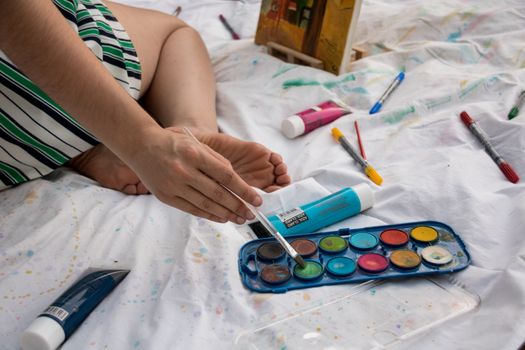 Photo: Ana M. / Pexels
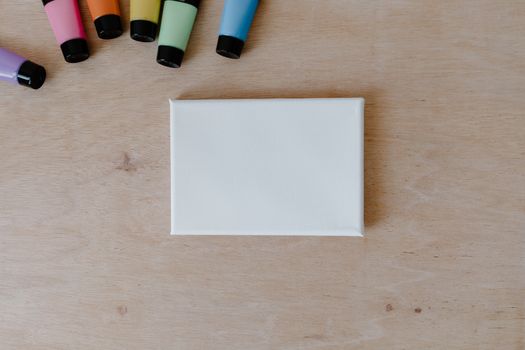 Photo: Tara Winstead / Pexels
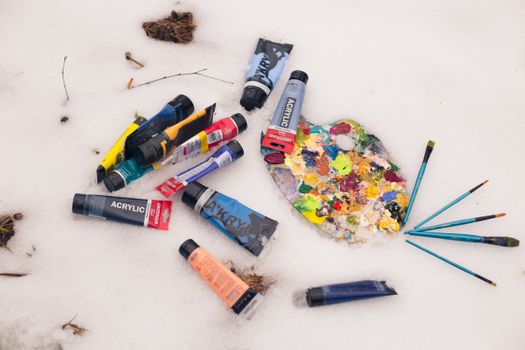 Photo: Monika Szypuła-Bilska / Pexels
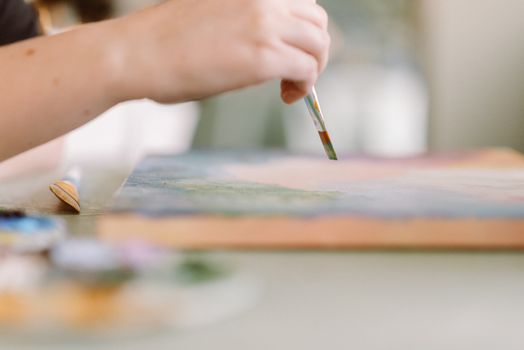 Photo: Anete Lusina / Pexels
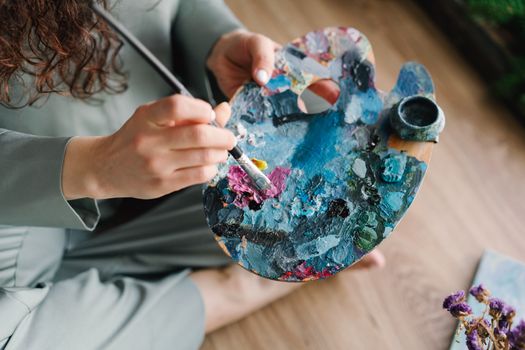 Photo: Mikhail Nilov / Pexels