✓ Framing enhances aesthetic appeal and protects artwork.
✓ Different frame types (e.g., floating, traditional) suit various art styles.
✓ Accurate measurements are crucial for a perfect fit.
✓ DIY framing can be cost-effective and rewarding with the right knowledge.
How It Works
1
Measure Your Canvas Accurately
Precise measurements of your canvas's width, height, and depth are paramount. This ensures your chosen frame will fit snugly and professionally, avoiding unsightly gaps or a too-tight squeeze.
2
Select the Ideal Frame Style
Consider your artwork's style, colors, and the room's decor when choosing a frame. Options range from minimalist floating frames to ornate traditional ones, each impacting the artwork's presentation.
3
Prepare Your Workspace and Tools
Gather all necessary tools like measuring tape, a miter saw (for DIY frames), clamps, wood glue, and protective gear. A clean, flat, and well-lit workspace is essential for precision and safety.
4
Assemble and Mount the Frame
Carefully assemble the frame pieces, ensuring square corners and strong joints. Then, securely attach your canvas to the frame using appropriate hardware, making sure it's centered and stable.
Understanding Canvas Framing: Why It Matters
Photo: Dom J / Pexels
The act of framing a canvas painting is far more than just adding a decorative border; it's a critical step in preserving, presenting, and elevating your artwork. For centuries, artists and collectors alike have understood the profound impact a well-chosen frame can have on a piece. Firstly, framing provides essential protection. An unframed canvas is vulnerable to environmental factors like dust, humidity, and accidental damage from bumps or scrapes. The frame acts as a physical barrier, creating a buffer zone that shields the delicate canvas and paint layers. This protective aspect is particularly crucial for valuable or sentimental pieces, ensuring their longevity for generations to come. Beyond protection, a frame serves to define the artwork, separating it from its surroundings and guiding the viewer's eye directly to the masterpiece within. It creates a visual boundary, effectively telling the observer where the art begins and ends. Without this delineation, a painting can sometimes feel lost or unfinished, blending into the wall rather than standing out. A thoughtfully selected frame enhances the aesthetic appeal of the painting itself. It can complement the colors, textures, and themes of the artwork, drawing out nuances that might otherwise go unnoticed. For instance, a rustic wooden frame might perfectly suit a landscape painting, while a sleek, modern floating frame could accentuate a contemporary abstract piece. The frame doesn't just hold the art; it becomes an integral part of its overall presentation, influencing how the artwork is perceived and appreciated. Choosing the right frame can transform a good painting into a great one, adding a layer of sophistication and professionalism. It gives the artwork a sense of completeness and intentionality, signaling to the viewer that this piece is valued and deserves attention. For artists, framing is often the final touch that prepares their work for exhibition or sale, making it gallery-ready and more appealing to potential buyers. It demonstrates a commitment to quality and attention to detail that extends beyond the painting itself. In essence, understanding the art of framing is about recognizing its dual role: practical preservation and artistic enhancement. It’s an investment in the artwork's future and its immediate impact, ensuring that your canvas painting not only survives but thrives in its display environment. This foundational understanding is the first step in learning how to frame a canvas painting effectively, setting the stage for more detailed considerations regarding frame types, materials, and techniques.
Choosing the Right Frame for Your Canvas Art
Photo: Josue Canceco / Pexels
The selection of the perfect frame is arguably the most crucial decision when learning how to frame a canvas painting. It’s not a one-size-fits-all endeavor; the ideal frame will depend heavily on the style, subject matter, and color palette of your artwork, as well as the aesthetic of the space where it will be displayed. One of the most popular and contemporary choices for canvas art is the 'floating frame,' also known as a 'floater frame.' This style creates a subtle gap between the canvas edge and the inner lip of the frame, making the canvas appear as if it's floating within the frame. This minimalist design is particularly effective for modern, abstract, or gallery-wrapped canvases where the painted edges are part of the artwork. It allows the entire painting to be seen without obstruction, offering a clean, sophisticated look that doesn't compete with the art. Floater frames typically come in black, white, silver, or natural wood finishes, offering versatility to complement various color schemes. For more traditional artwork, such as classical portraits, landscapes, or still lifes, a conventional frame might be more appropriate. These frames often feature a decorative profile, ranging from simple bevels to intricate carvings. When choosing a traditional frame, consider the depth of your canvas. Many canvases are stretched over wooden bars that are 0.75 inches (standard) or 1.5 inches (gallery wrap) deep. Ensure the frame's rabbet (the recessed area where the canvas sits) is deep enough to accommodate your canvas's thickness. You might also need to consider if you want the frame to cover a small portion of the painting's edge, which can sometimes hide minor imperfections or staples. The material and finish of the frame also play a significant role. Wood frames are classic and durable, available in a vast array of stains and paints. Metal frames offer a sleek, contemporary alternative, often chosen for their clean lines and modern appeal. The color of the frame should ideally complement, rather than clash with, the dominant colors in your painting. A neutral frame (black, white, natural wood) is often a safe bet, allowing the artwork to remain the focal point. However, a frame with a subtle color accent that picks up a hue from the painting can create a harmonious and striking presentation. Lastly, think about the environment where the painting will hang. A heavy, ornate frame might overwhelm a small room or a delicate painting, while a too-simple frame might diminish a grand, elaborate piece. The goal is to create a cohesive presentation where the frame and the artwork enhance each other, rather than one overpowering the other. Taking the time to carefully consider these factors will ensure you select a frame that truly elevates your canvas painting.
Step-by-Step Guide to DIY Canvas Framing
Photo: Thirdman / Pexels
Embarking on a DIY canvas framing project can be incredibly rewarding, offering a personalized touch and significant cost savings compared to professional framing services. This detailed guide will walk you through the process of how to frame a canvas painting yourself, focusing on common methods like creating a simple floating frame. Before you begin, gather all your materials: your canvas painting, the chosen frame (either pre-made or raw wood strips), a measuring tape, a pencil, wood glue, clamps, a miter saw (if cutting your own frame pieces), a drill, screws, and canvas offset clips or Z-clips for mounting. Always work on a clean, flat surface to ensure accuracy and prevent damage to your artwork.
**1. Accurate Measurement is Key:** Begin by meticulously measuring your canvas. You'll need its exact width, height, and depth. For a floating frame, you'll want to add a small gap around the canvas, typically 1/8 to 1/4 inch on each side. So, if your canvas is 24x36 inches, and you want a 1/4-inch float, your inner frame dimensions will need to be 24.5x36.5 inches. This ensures the canvas appears to 'float' within the frame. If you're using a traditional frame, measure the canvas precisely to ensure it fits snugly into the frame's rabbet.
**2. Cutting and Assembling the Frame (if DIY):** If you're starting with raw wood, cut your frame pieces to size using a miter saw, ensuring all angles are precisely 45 degrees for perfect mitered corners. Once cut, apply a thin, even layer of wood glue to the mitered edges of two frame pieces, then press them together firmly. Use corner clamps to hold them securely at a 90-degree angle while the glue dries. Repeat this process for all four corners, ensuring the frame is perfectly square. For added strength, you can reinforce the corners with small brad nails or V-nails using a specialized frame joining tool. Allow the glue to cure completely according to the manufacturer's instructions, which may take several hours.
**3. Finishing the Frame:** Once the frame is assembled and dry, it's time for finishing. This could involve sanding, staining, painting, or varnishing, depending on your desired aesthetic. Sand the entire frame smooth, starting with a coarser grit sandpaper and progressing to finer grits. Apply your chosen finish in thin, even coats, allowing adequate drying time between each coat. Ensure the finish is completely dry and cured before proceeding to the next step, to avoid any transfer to your canvas. For raw wood, a simple clear varnish can bring out the natural grain, while a painted finish offers a more contemporary look. For those interested in advanced woodworking techniques, exploring different joint types can further enhance frame durability.
**4. Mounting the Canvas into the Frame:** This is where your canvas truly meets its frame. Place your finished frame face down on a clean, soft surface. Carefully center your canvas within the frame opening, ensuring the desired float gap (if using a floater frame) is even on all sides. Once perfectly positioned, use offset clips (also known as Z-clips or mirror clips) to secure the canvas to the frame. These small metal clips attach to the back of the frame and hook over the stretcher bars of the canvas. Use a drill to create pilot holes for the screws to prevent splitting the wood, then screw the clips into place. For a standard 24x36-inch canvas, typically 4-6 clips are sufficient, distributed evenly along all four sides. Ensure the screws are not too long, as they could pierce through the front of your frame or canvas. Double-check that the canvas is secure and doesn't shift within the frame. With these steps, you will have successfully framed your canvas painting, ready for display.
Common Mistakes and Expert Tips for Canvas Framing
Photo: www.kaboompics.com / Pexels
Even with the best intentions, mistakes can happen when framing a canvas painting. Being aware of these pitfalls and armed with expert tips can save you time, frustration, and potentially costly errors. One of the most common mistakes is inaccurate measurement. A frame that is even slightly off in size will either leave an unsightly gap or be impossible to fit, wasting materials and effort. Always measure your canvas at multiple points and double-check your measurements before cutting or ordering a frame. Use a steel measuring tape for precision, not a flexible cloth one.
Another frequent error is choosing a frame that clashes with or overwhelms the artwork. A delicate watercolor, for instance, might be lost in a heavy, ornate frame, while a bold, abstract piece could be diminished by a thin, minimalist border. Consider the balance between the frame and the art. The frame should enhance, not compete with, the painting. If in doubt, opt for a simpler frame style initially; you can always upgrade later. Neglecting proper support and hanging hardware is also a critical oversight. A heavy canvas painting requires robust hanging wire and wall anchors appropriate for its weight. Using inadequate hardware can lead to your valuable artwork crashing to the floor. Always use D-rings and braided picture wire, and ensure the wire is taut when installed.
**Expert Tips for Flawless Framing:**
* **Invest in Quality Tools:** Especially if you plan to frame multiple pieces, a good miter saw, reliable clamps, and a proper frame joining tool will pay dividends in precision and durability.
* **Test Finishes:** If you're staining or painting a DIY frame, always test your chosen finish on a scrap piece of wood first. This allows you to see the true color and how it interacts with the wood before applying it to your actual frame.
* **Protect Your Artwork:** Always place your canvas painting face down on a soft, clean cloth or blanket when working on the back. This prevents scratches, dust, or accidental damage to the painted surface.
* **Consider Conservation Materials:** For valuable or heirloom pieces, use acid-free backing materials and UV-protective glazing if adding glass (though most canvases are framed without glass). While this adds cost, it offers superior long-term protection.
* **Don't Rush the Drying Process:** When gluing or applying finishes, allow ample drying and curing time. Rushing this step can lead to weak joints, uneven finishes, or even damage if the frame isn't fully set when you attempt to mount the canvas.
* **Seek Inspiration:** Before making a final decision, look at how similar artworks are framed in galleries or online. This can provide valuable inspiration and help you visualize the end result.
By avoiding these common mistakes and incorporating these expert tips, your journey of how to frame a canvas painting will be much smoother and result in a professional, long-lasting display for your cherished artwork. Precision, patience, and a thoughtful approach are your best allies in achieving a beautifully framed canvas.
Comparison
Feature
Floating Frame
Traditional Frame
Gallery Wrap (Unframed)
Aesthetic
Modern, minimalist, 'floating' effect
Classic, decorative, substantial
Contemporary, raw, edge-focused
Canvas Visibility
Full front and side edges visible
Edges partially or fully covered
Full front and side edges visible
Protection Level
Good (sides protected)
Excellent (all edges, sometimes front with glass)
Minimal (vulnerable edges)
Cost (DIY)
Moderate
Moderate to High
Low (no frame cost)
Skill Level (DIY)
Intermediate
Intermediate to Advanced
Beginner
Versatility
✓
✓
✗
What Readers Say
★★★★★
"This guide truly demystified how to frame a canvas painting. I used to think it was too complex, but the step-by-step instructions for a floating frame were incredibly clear and easy to follow. My abstract painting looks fantastic now!"
Sarah J. · Austin, TX
★★★★★
"As an aspiring artist, presenting my work professionally is key. This article on how to frame a canvas painting gave me the confidence to build my own frames. The tips on choosing the right style were especially helpful for my landscape series."
Mark D. · Seattle, WA
★★★★★
"I had a large canvas that needed framing and was dreading the cost. Following this guide on how to frame a canvas painting, I saved hundreds of dollars and now have a beautiful, custom-framed piece that looks like it came from a gallery."
Emily R. · Miami, FL
★★★★★
"The information provided was very thorough, especially the section on common mistakes. I learned a lot about how to frame a canvas painting correctly. I wish there were a few more advanced techniques, but for a beginner, it's perfect."
David L. · Denver, CO
★★★★★
"I'm an interior designer and often advise clients on art presentation. This resource on how to frame a canvas painting is now my go-to recommendation for anyone looking to elevate their art collection without breaking the bank. Excellent content!"
Jessica M. · New York, NY
Frequently Asked Questions
What is the best type of frame for a canvas painting?
The 'best' frame depends on the artwork's style and the desired aesthetic. Floating frames are popular for modern and contemporary pieces, giving the canvas a sleek, suspended look. Traditional frames with a rabbet are ideal for classic art, providing a more defined border and often covering the canvas edges.
Is it difficult to frame a canvas painting myself?
Framing a canvas painting yourself is achievable with patience and the right tools. While it requires precision, especially with measurements and cuts, many resources (like this guide!) provide step-by-step instructions that make it a rewarding DIY project for most individuals.
How do you attach a canvas to a frame?
For most canvas frames, you attach the canvas using offset clips (also called Z-clips or mirror clips). These small metal clips screw into the back of the frame and hook over the stretcher bars of your canvas, holding it securely in place without damaging the artwork itself.
How much does it cost to frame a canvas painting professionally?
The cost to professionally frame a canvas painting can vary widely, typically ranging from $100 to over $1000, depending on the canvas size, frame material, complexity of the design, and the framer's rates. DIY framing can significantly reduce these costs, often by 50% or more.
Should I put glass over my canvas painting?
Generally, canvas paintings are not framed with glass. Oil and acrylic paints need to breathe, and glass can trap moisture, potentially damaging the paint layers over time. Also, glass can create glare that obstructs the view of the textured canvas. Varnishing the painting offers sufficient protection.
Who benefits most from learning how to frame a canvas painting?
Artists looking to professionally present their work, art collectors wanting to preserve and enhance their pieces, and DIY enthusiasts seeking to add a personal touch to their home decor all benefit greatly from learning how to frame a canvas painting. It's a valuable skill for anyone passionate about art.
Are there any risks to framing a canvas painting improperly?
Yes, improper framing can lead to several risks. Poorly secured canvases can fall out of the frame, causing damage. Using incorrect materials or finishes can harm the artwork. Additionally, a poorly constructed frame can warp or break, compromising both the frame and the painting's integrity.
What are the future trends in canvas framing?
Future trends in canvas framing lean towards sustainability, with increased use of reclaimed or sustainably sourced wood. Minimalist designs, particularly slim-profile floating frames, remain popular. Customization through 3D printing for unique frame profiles and smart framing solutions that integrate lighting are also emerging trends.
Ready to transform your artwork? Learning how to frame a canvas painting is a skill that enhances beauty and ensures longevity. Dive into our comprehensive guide and give your masterpieces the presentation they deserve today.

 Photo: Dom J / Pexels
 Photo: Josue Canceco / Pexels
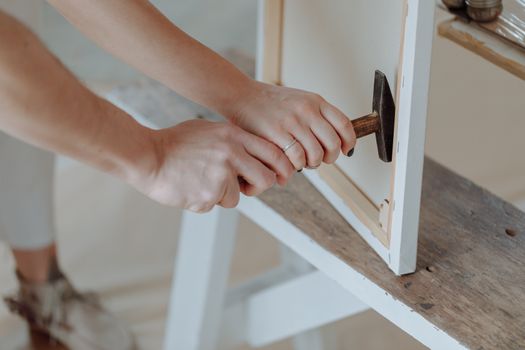 Photo: Thirdman / Pexels
 Photo: www.kaboompics.com / Pexels