Unlock Artistry: How to Buy Limited Edition Prints
buy limited edition prints

Unlock Artistry: How to Buy Limited Edition Prints

Explore the world of exclusive art, find authentic pieces, and enhance your space with unique, valuable prints.

Start Collecting Now

Key Takeaways

  • ✓ Limited edition prints offer exclusivity and potential investment value.
  • ✓ Authenticity is guaranteed by artist signatures and edition numbers.
  • ✓ Understanding printmaking techniques enhances appreciation and value.
  • ✓ Proper framing and display are crucial for preservation and aesthetic impact.

How It Works

1
Define Your Aesthetic & Budget

Consider your personal taste, the space where the art will hang, and how much you're willing to spend. Researching artists and styles can help narrow down your preferences.

2
Research Reputable Sources

Look for established galleries, online art marketplaces, and directly from artists' studios. Verify their reputation and authenticity guarantees before making a purchase.

3
Verify Authenticity & Edition Details

Always check for the artist's signature, edition number (e.g., 12/100), and a Certificate of Authenticity (COA). These details confirm the print's limited nature and provenance.

4
Arrange for Secure Purchase & Framing

Ensure secure payment and shipping. Once acquired, invest in museum-quality, archival framing to protect your print from environmental damage and enhance its presentation.

Understanding the Allure of Collectible Art Prints

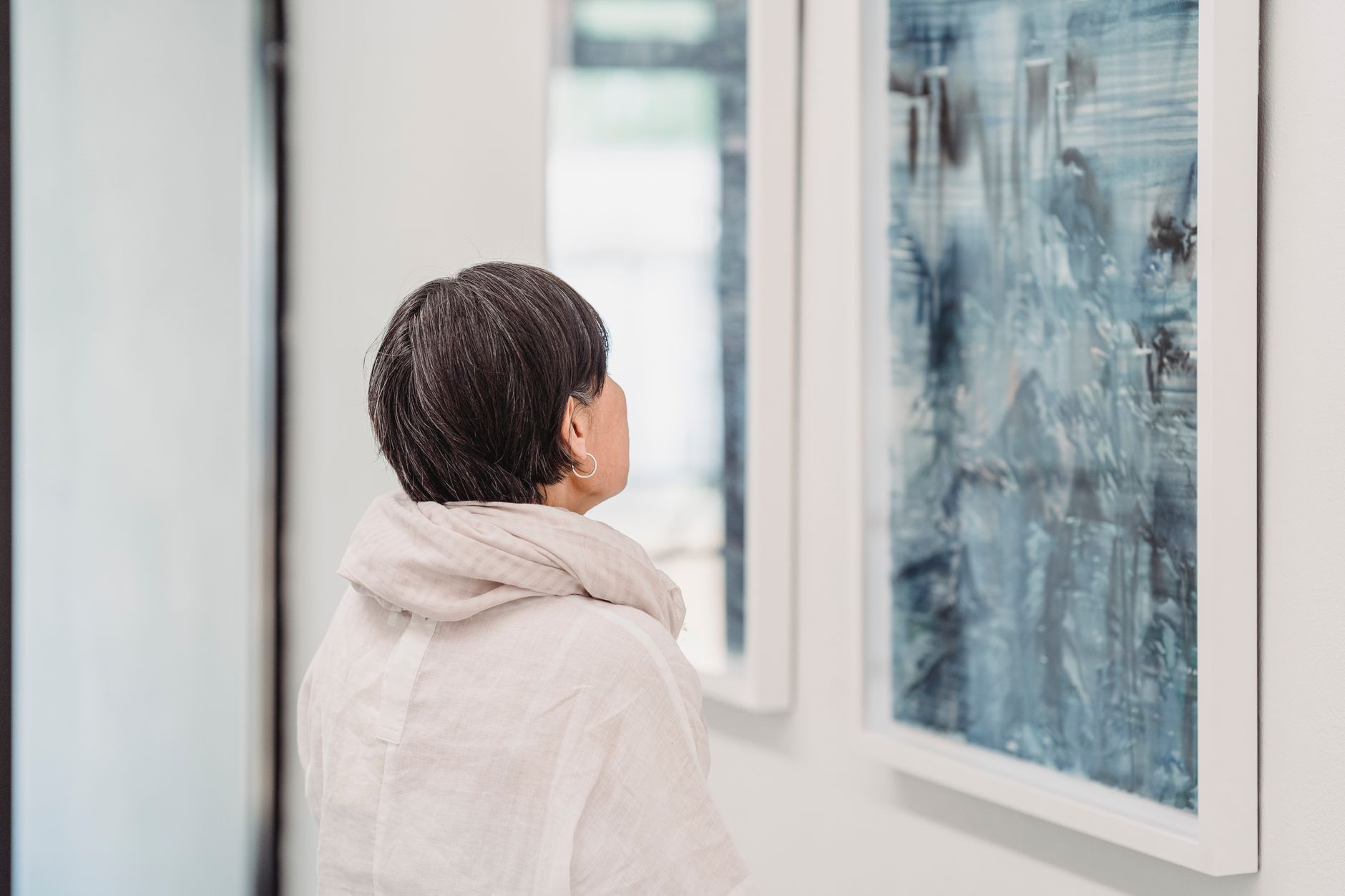
Two adults observe a large abstract painting in a modern art museum gallery. Photo: rana aldemir / Pexels
The world of art collecting can often seem intimidating, reserved for an elite few with vast budgets and specialized knowledge. However, the realm of limited edition prints offers a captivating entry point for art enthusiasts, seasoned collectors, and those simply looking to adorn their spaces with unique, meaningful works. When you buy limited edition prints, you're not just acquiring a decorative item; you're investing in a piece of artistic history, a tangible representation of an artist's vision, and a potential asset that can appreciate in value over time. The allure lies in their inherent exclusivity. Unlike open edition prints, which can be reproduced indefinitely, limited editions are produced in a finite number, making each piece rarer and more desirable. This scarcity is a primary driver of their value and appeal. But what exactly constitutes a 'limited edition print'? At its core, it refers to a set number of identical images produced from a single source (e.g., a plate, screen, or digital file) and then signed and numbered by the artist. Once the predetermined number of prints is created, no further reproductions of that specific edition are made. This process ensures the integrity and scarcity of each piece. Artists often release limited editions for various reasons: to make their work more accessible than unique paintings or sculptures, to explore different mediums, or to commemorate a specific series or exhibition. For collectors, these prints offer an opportunity to own original artwork by renowned artists at a fraction of the cost of their unique pieces. Moreover, the act of acquiring such a print connects you directly to the artist's creative journey and the particular moment in time when that edition was conceived. Beyond the financial aspect, the emotional and aesthetic value of limited edition prints is profound. They allow individuals to curate their personal environments with art that resonates deeply, tells a story, or simply brings joy. Imagine owning a print by a contemporary artist whose work challenges conventions, or a piece by a master whose legacy continues to inspire. These prints become conversation starters, reflections of personal taste, and enduring sources of inspiration. The process of searching, discovering, and finally acquiring a limited edition print is an experience in itself, fostering a deeper appreciation for the broader world of arts. It's about finding that perfect piece that speaks to you, that adds character and depth to your home or office, and that you can cherish for years to come. The growing accessibility of online galleries and dedicated art marketplaces has made it easier than ever to explore this exciting segment of the art market, bridging the gap between artists and aspiring collectors worldwide. Furthermore, understanding the different printmaking techniques involved in creating limited editions can significantly enhance your appreciation and inform your purchasing decisions. Techniques like etching, lithography, screenprinting (serigraphy), woodcut, and giclée each offer distinct aesthetic qualities and historical contexts. An etching, for example, is characterized by fine lines and subtle textures, while a screenprint might feature bold colors and graphic precision. Giclée prints, a modern digital printing method, allow for exceptional color fidelity and detail. Familiarizing yourself with these processes not only deepens your connection to the artwork but also helps you assess the quality and craftsmanship of a print. This knowledge empowers you to make more informed choices when you decide to buy limited edition prints, ensuring you select pieces that are not only beautiful but also technically excellent and authentic.

Navigating the Market: Where and How to Buy Limited Edition Prints Safely

Asian woman unpacks a wooden box in a contemporary art studio, surrounded by creative materials. Photo: Thirdman / Pexels
Once you've decided to embark on the journey to buy limited edition prints, the next crucial step is understanding where to look and how to navigate the market safely and effectively. The art market, while exciting, can also be complex, with various avenues available for acquisition. Your primary goal should always be to ensure authenticity, fair pricing, and secure transactions. Reputable sources are your best allies in this endeavor. Traditional art galleries, both brick-and-mortar and online, often represent artists and handle the sale of their limited editions. These galleries typically have established relationships with artists, a strong reputation, and rigorous authentication processes, providing a layer of trust for buyers. Online art marketplaces have revolutionized access to art, making it possible to discover and purchase limited edition prints from artists and galleries across the globe. Platforms like Artsy, Artnet, Saatchi Art, and even specialized print dealers offer extensive collections, often with detailed descriptions, artist biographies, and high-resolution images. When using online platforms, pay close attention to seller ratings, return policies, and whether they offer Certificates of Authenticity (COAs). Direct purchases from artists' websites or studios are another excellent option, often allowing for a more personal connection with the creator and potentially better pricing, as there's no gallery commission. However, ensure the artist's site is secure and that they provide clear information on editions and shipping. Art fairs, both local and international, present fantastic opportunities to see prints in person, meet artists, and speak with gallery representatives. These events can be invaluable for discovering new talent and understanding current trends in the print market. When you're ready to make a purchase, several critical considerations come into play. Firstly, always verify the edition details. A limited edition print should clearly state the total number of prints in the edition (e.g., /100) and its specific number within that edition (e.g., 25/100). This numbering is usually found in pencil below the image, alongside the artist's signature. Secondly, demand a Certificate of Authenticity (COA). This document, ideally signed by the artist or a reputable gallery, confirms the print's details, including the artist, title, date, medium, edition size, and often a brief description of the work. A COA is your primary guarantee of the print's legitimacy and provenance, essential for future valuation or resale. Thirdly, inspect the condition of the print carefully. Even new prints can have minor imperfections. If purchasing online, request detailed images or a condition report. For older or secondary market prints, understanding conservation status is paramount. Finally, consider the investment aspect. While passion for the art should be the primary driver, limited edition prints can appreciate in value, especially if the artist gains prominence. Research the artist's career trajectory, exhibition history, and previous sales records. However, remember that art market fluctuations exist, and there's no guarantee of financial return. Your decision to buy limited edition prints should ultimately stem from a desire to live with and enjoy the art. Secure payment methods, insured shipping, and a clear understanding of return policies are also vital. Don't hesitate to ask questions—a reputable seller will be happy to provide all necessary information and assurances. By approaching the market with diligence and knowledge, you can confidently acquire beautiful and valuable limited edition prints.

Preservation and Display: Maximizing the Lifespan and Impact of Your Prints

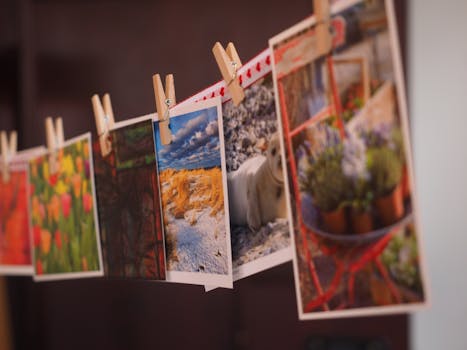
Collection of vintage Polaroid photos clipped to a wooden wall indoors. Photo: Vladyslav Dukhin / Pexels
Acquiring a limited edition print is just the beginning of your journey as a collector. To truly honor your investment and ensure its longevity, proper preservation and thoughtful display are paramount. A beautiful print can be significantly damaged by improper handling, environmental factors, or inadequate framing. Understanding the best practices for caring for your prints will protect their aesthetic appeal and their potential financial value for generations to come. The first and most critical step in preservation is professional, archival framing. This isn't just about making the print look good; it's about creating a protective barrier against external threats. Archival framing involves using materials that are acid-free and designed to prevent deterioration over time. This includes acid-free matting, backing boards, and UV-filtering glazing (glass or acrylic). Standard framing materials can release acids that cause discoloration, foxing (brown spots), and brittleness in paper over time. UV-filtering glazing is essential for protecting the print from harmful ultraviolet rays, which can cause fading of inks and pigments. Even indirect sunlight contains UV radiation, so placing a print in a dimly lit room without UV protection still poses a risk. Opt for museum-quality acrylic or glass, which offers superior UV protection and is often lighter and more shatter-resistant than traditional glass. Always ensure the print is not directly touching the glazing; a mat board or spacers should create an air gap to prevent moisture buildup and sticking. Beyond framing, the environment in which your print is displayed plays a significant role in its preservation. Prints thrive in stable, moderate conditions. Avoid hanging prints in direct sunlight, near heat sources (like radiators or fireplaces), or in areas with high humidity (such as bathrooms or basements). Fluctuations in temperature and humidity can cause paper to expand and contract, leading to warping, buckling, and even mold growth. An ideal environment maintains a consistent temperature between 68-72°F (20-22°C) and relative humidity between 45-55%. If you live in an area with extreme climate variations, consider using a dehumidifier or humidifier to maintain stable conditions within your home. Proper lighting is also crucial; while you want to appreciate your art, excessive light exposure, even from artificial sources, can cause fading. LED lighting, which emits very little UV radiation and heat, is an excellent choice for illuminating artwork. When handling unframed prints, always wear clean, lint-free cotton gloves to prevent transferring oils and dirt from your skin onto the paper. Hold prints by their edges, supporting them from underneath, and never crease or fold them. If you need to store unframed prints, use archival-quality portfolios or flat storage boxes, interleafing each print with acid-free tissue paper or Mylar sheets. Store these horizontally in a cool, dry, dark place. Regular, gentle cleaning of the framed artwork is also important. Use a soft, dry cloth to dust the frame and glazing, avoiding harsh chemicals that could damage the frame finish or seep into the artwork. By diligently following these preservation and display guidelines, you ensure that your limited edition prints remain vibrant, intact, and a source of joy and value for many years to come. This meticulous care not only safeguards your investment but also demonstrates a profound respect for the artist's work and the art form itself, enhancing the overall experience of owning and appreciating valuable fine arts.

Common Mistakes to Avoid When Investing in Limited Edition Prints

While the prospect of owning limited edition prints is exciting, navigating the market without proper knowledge can lead to costly mistakes. Being aware of these pitfalls will help you make more informed decisions and protect your investment. One of the most common errors is prioritizing potential financial gain over personal aesthetic appeal. While prints can appreciate, art is first and foremost meant to be enjoyed. If you buy a print solely because you think it will increase in value, but you don't genuinely love it, you might end up with a piece that brings you no joy and potentially no financial return. Always buy what you love; any appreciation is a bonus. Another significant mistake is neglecting to verify authenticity. In the bustling art market, unfortunately, counterfeits and misrepresented works exist. Failing to obtain a Certificate of Authenticity (COA) or purchasing from an unverified seller puts you at high risk. Always insist on a COA signed by the artist or a reputable gallery, and cross-reference information about the edition. Be wary of prints that lack an artist's signature or edition number, or those with suspicious pricing that seems too good to be true. Similarly, overlooking the condition of the print is a critical error. Minor flaws, tears, creases, or signs of fading can significantly devalue a print. If purchasing online, always request detailed condition reports and high-resolution images. For in-person purchases, inspect the print under good lighting, looking for any imperfections. Don't be shy about asking questions regarding its history and any past conservation efforts. Underestimating the importance of archival framing is another frequent misstep. Many new collectors might opt for standard, cheaper framing options to save money, unaware that non-archival materials will inevitably damage the print over time. Acidic mats and backing boards, and non-UV protective glass, are silent destroyers of art. This can lead to irreversible damage, drastically reducing the print's value and aesthetic appeal. Always factor professional, archival framing into your budget from the outset. Lastly, rushing into a purchase without adequate research is a common pitfall. Take your time to research the artist, their body of work, market trends for their prints, and the reputation of the seller. Impulse buys, especially for significant pieces, often lead to regret. Compare prices from different sources, read reviews, and don't feel pressured to buy immediately. A well-researched purchase is always a more satisfying and secure one. Avoiding these common mistakes will ensure a more rewarding and secure experience when you buy limited edition prints.

Comparison

FeatureLimited Edition PrintsOpen Edition PrintsOriginal Paintings
ExclusivityHighLowHighest (Unique)
Price Range (USD)$100 - $10,000+$20 - $200$1,000 - $1,000,000+
Investment PotentialModerate to HighLowHigh
Authenticity Guarantee✓ (Signed/Numbered COA)✗ (Mass-produced)✓ (Provenance)
AccessibilityGoodExcellentLimited

What Readers Say

"I was hesitant to buy limited edition prints online, but this guide gave me the confidence to find a reputable gallery. The print I bought is even more stunning in person and came with a perfect COA. Highly recommend following their advice!"

Sarah J. · Austin, TX

"As a first-time collector, the detailed breakdown of authenticity checks was invaluable. I now proudly own a beautiful limited edition print by a rising artist, all thanks to the clear steps provided."

Mark D. · Seattle, WA

"After reading this, I finally took the plunge to buy limited edition prints. My collection has grown by three exquisite pieces, and I've even started conversations with artists directly. My home feels so much more personalized now."

Emily R. · New York, NY

"The information on archival framing was particularly helpful. While the initial cost of framing was higher than expected, I understand its importance for preservation. My prints look fantastic and are well-protected."

David L. · Miami, FL

"I used to think limited edition prints were out of my league. This guide demystified the process, explaining where to find affordable options and how to verify their legitimacy. It opened up a whole new world of art collecting for me."

Jessica M. · Denver, CO

Frequently Asked Questions

What makes a limited edition print valuable?

The value of a limited edition print stems from its scarcity, the artist's reputation, the print's condition, and its provenance (history of ownership). Signed and numbered prints with a Certificate of Authenticity (COA) from established artists tend to hold and potentially increase in value more reliably than unsigned or unverified pieces. The specific printmaking technique and the edition size also play a significant role in determining its worth.

How can I be sure a limited edition print is authentic?

To ensure authenticity, always look for the artist's original signature and the edition number (e.g., 5/50) usually written in pencil below the image. Demand a Certificate of Authenticity (COA) from the seller, ideally signed by the artist or a reputable gallery. Purchase from established galleries, trusted online marketplaces with strong authentication policies, or directly from the artist to minimize risk.

What's the best way to care for and display my limited edition print?

The best care involves professional, archival framing with acid-free materials (matting, backing) and UV-filtering glass or acrylic to prevent fading and deterioration. Display your print away from direct sunlight, heat sources, and areas with high humidity. Maintain stable room temperature and humidity levels, and always handle unframed prints with clean cotton gloves.

Are limited edition prints a good investment?

While many limited edition prints do appreciate in value, especially by emerging or established artists, they should primarily be purchased for their aesthetic and personal enjoyment. Investment potential depends on various factors, including the artist's career trajectory, market demand, and the print's condition. Treat any potential financial return as a bonus, not the sole reason for purchase.

What's the difference between a limited edition print and an open edition print?

A limited edition print is produced in a finite, predetermined number, signed, and numbered by the artist, ensuring its scarcity and often higher value. An open edition print, conversely, can be reproduced indefinitely, is usually unsigned and unnumbered, making it less exclusive and typically more affordable, primarily serving decorative purposes rather than investment.

Who should buy limited edition prints?

Anyone looking to own unique, high-quality art at a more accessible price point than original paintings or sculptures. They are ideal for new collectors, art enthusiasts wanting to support artists, or individuals seeking to enhance their living or working spaces with meaningful and potentially valuable artwork. They offer a tangible connection to the artist's creative process.

What are the risks of buying limited edition prints online?

The primary risks include potential for misrepresentation (fakes), damage during shipping, and difficulty verifying condition without seeing the print in person. Mitigate these risks by buying from reputable platforms with strong buyer protection, detailed return policies, and by requesting comprehensive condition reports and high-resolution images before purchase.

What trends are currently shaping the limited edition print market?

Current trends include a rise in demand for digital art prints (giclée) by contemporary artists, increasing interest in prints by street artists and illustrators, and a growing emphasis on sustainable and ethically produced prints. Online art fairs and marketplaces continue to expand accessibility, and there's a strong collector interest in prints that explore social commentary, environmental themes, and diverse cultural narratives.

Ready to transform your space and enrich your life with unique art? Use this guide to confidently buy limited edition prints, knowing you're making an informed choice. Start exploring reputable galleries and artists today to find the perfect piece that speaks to your soul and elevates your collection.

Topics: buy limited edition printscollectible art printsinvest in art printsfine art printslimited edition artwork
Leo List
Brampton weed
Adultwork