✓ Quality pigments are crucial for vibrant, lasting colors.
✓ Different brush types serve specific painting techniques.
✓ Proper ventilation is essential when working with solvents.
✓ Selecting the right surface dramatically impacts paint adhesion and texture.
How It Works
1
Understand Your Needs
Before buying, consider your skill level, budget, and the specific effects you want to achieve. This will guide your choices for paints, brushes, and other materials.
2
Gather Core Essentials
Start with a basic palette of primary colors, a few versatile brushes, a suitable canvas or panel, and appropriate solvents and mediums. These form the foundation of your oil painting kit.
3
Experiment and Explore
Don't be afraid to try different brands and types of supplies as you progress. Your personal preferences will evolve, leading you to discover tools that perfectly match your artistic style.
4
Maintain Your Tools
Proper cleaning and storage of brushes, palettes, and paints will extend their lifespan and ensure they perform optimally for every painting session. This investment in care pays off.
Navigating the World of Oil Paints: Pigments and Brands
Photo: Ylanite Koppens / Pexels
The heart of any oil painting lies in its paints. Understanding the nuances of oil paint quality, pigment load, and binder types is paramount to achieving vibrant, lasting results. Oil paints are essentially pigments suspended in a drying oil, typically linseed oil, but sometimes poppy, safflower, or walnut oil. The quality of these components directly impacts the paint's performance, lightfastness, and overall longevity. Student-grade paints are an excellent starting point for beginners. They typically contain less pigment and more filler, making them more affordable. While they might not offer the same intensity or archival quality as professional-grade paints, they are perfect for practice, experimenting with color mixing, and developing fundamental techniques without a significant financial outlay. Brands like Winsor & Newton Winton, Gamblin 1980, and Sennelier Rive Gauche offer reliable student-grade options that provide good color saturation and handling characteristics. As you advance, investing in professional-grade paints becomes worthwhile. These paints boast a higher concentration of pure pigment, resulting in richer, more vibrant colors that resist fading over time. Their binders are also of superior quality, contributing to better consistency, smoother application, and enhanced archival properties. Renowned professional brands include Old Holland, Michael Harding, Williamsburg Handmade Oils, Winsor & Newton Artists' Oil Colour, and Gamblin Artists' Oil Colors. Each brand has its unique characteristics: Old Holland is known for its incredible pigment load and historical formulations, Michael Harding for its buttery consistency, and Williamsburg for its nuanced, handcrafted feel. When selecting colors, a basic palette should include primary colors (Cadmium Yellow, Quinacridone Red, Ultramarine Blue), secondary colors (Sap Green, Orange), and neutrals (Titanium White, Ivory Black, Burnt Umber). Titanium White is essential for opacity and mixing, while Zinc White offers a more transparent option. Exploring color theory will further guide your choices. Always check the lightfastness rating (often ASTM ratings I-III) on the tube, with 'I' indicating excellent lightfastness, crucial for artworks intended to last generations. Consider the opacity or transparency of each color as well, as this affects layering and glazing techniques. Some artists prefer a limited palette to master color mixing, while others enjoy a vast array of pre-mixed hues. Ultimately, your choice of oil paints will significantly influence the expressive potential and archival quality of your artwork, making it one of the most critical decisions in assembling your best art supplies for oil painting.
Essential Brushes and Painting Knives: Tools for Texture and Detail
Photo: Em Everyday Living / Pexels
Just as a musician needs their instruments, an oil painter relies heavily on a diverse array of brushes and painting knives to translate their vision onto the canvas. The right tool can make all the difference in achieving specific textures, precise details, or broad, expressive strokes. Brushes are typically categorized by their hair type, shape, and size. Natural hair brushes, such as hog bristle, are highly favored for oil painting due to their stiffness and ability to hold a substantial amount of paint. Hog bristle brushes are excellent for impasto techniques, creating visible brushstrokes, and working with thicker paints. They come in various shapes: flats (for bold strokes), brights (shorter flats for controlled applications), filberts (oval-shaped for softer edges), and rounds (for details and lines). Synthetic brushes, made from nylon or polyester, offer a good alternative. They are often more durable, easier to clean, and hold their shape well, making them suitable for smoother applications and blending. Soft synthetic brushes are ideal for glazing, fine details, and achieving a delicate touch. Brands like Silver Brush, Princeton, and Winsor & Newton offer excellent ranges of both natural and synthetic options. When building your brush collection, start with a core set of 5-7 versatile brushes in various sizes and shapes. A few flats, a filbert, and a small round brush will allow you to tackle a wide range of painting tasks. As you develop your style, you'll discover which shapes and sizes you gravitate towards most. Beyond brushes, painting knives are indispensable for adding texture, mixing colors directly on the palette or canvas, and even applying paint in thick, sculptural layers. There are two main types: palette knives and painting knives. Palette knives are primarily used for mixing paints, cleaning palettes, and scraping excess paint. Painting knives, with their flexible blades and various shapes, are designed for direct application to the canvas, allowing for bold, expressive marks and impasto effects that brushes cannot achieve. Look for knives with good spring in the blade and a comfortable handle. Companies like RGM and Liquitex produce high-quality painting knives. Proper care of your brushes and knives is crucial for their longevity. Always clean brushes immediately after use with a suitable solvent (like odorless mineral spirits) and then wash with soap and water to remove all traces of paint. Reshape them and let them dry flat or brush-side up. Painting knives should also be wiped clean promptly. Investing in quality brushes and knives, and maintaining them well, is a key component of assembling the best art supplies for oil painting, empowering you to explore a vast spectrum of artistic expressions and techniques.
Surfaces, Solvents, and Mediums: Enhancing Your Oil Painting Experience
Photo: Nikita Zadykhin / Pexels
The foundation of your oil painting, the surface, and the materials you use to manipulate your paints – solvents and mediums – are just as critical as the paints and brushes themselves. Each plays a vital role in the painting process, influencing everything from drying time and texture to archival quality and final appearance. Choosing the right surface is the first step. Canvas, typically made from linen or cotton, is the most traditional and popular choice. Linen is known for its strength, smooth weave, and archival quality, making it a favorite among professional artists. Cotton canvas is more affordable and widely available, offering a good balance of texture and durability for most painters. Canvases come pre-stretched or as rolls, requiring stretching and priming. Panels, made from wood, MDF, or hardboard, offer a rigid, smooth, or textured surface. They are less prone to warping than stretched canvas and can be ideal for detailed work or for artists who prefer a very stable support. Always ensure your chosen surface is properly primed with gesso (a primer) to prevent the oil from soaking into the fibers, which can cause them to rot over time and ensures better paint adhesion. Universal acrylic gesso is commonly used, but traditional oil-based gesso offers a unique absorbency and tooth. Understanding different surfaces will greatly benefit your practice. Solvents are used for thinning oil paints, cleaning brushes, and removing paint. Odorless mineral spirits (OMS), such as Gamsol or Turpenoid, are a popular choice due to their low odor and effectiveness. Traditional turpentine, while effective, has a strong odor and can be irritating for some. Always work in a well-ventilated area when using solvents. Mediums are additives mixed with oil paints to modify their consistency, drying time, transparency, and texture. Linseed oil (refined, cold-pressed, or stand oil) is a common medium that increases flow, gloss, and transparency, and slows drying time. Poppy oil and safflower oil are lighter and less yellowing, ideal for whites and light colors. Alkyd mediums, like Liquin or Galkyd, are popular for speeding up drying time and adding flexibility. Impasto mediums can thicken paint for textural effects, while glazing mediums enhance transparency for layering. Using mediums allows for greater control and a wider range of effects, letting you tailor the paint to your specific artistic intentions. It's important to remember the 'fat over lean' rule when layering oil paints: always apply layers with more oil (fatter) over layers with less oil (leaner) to prevent cracking as the paint dries. This rule ensures proper drying and longevity of your artwork. Mastering the use of surfaces, solvents, and mediums is a cornerstone of effective oil painting, transforming your best art supplies for oil painting into powerful tools for artistic expression.
Essential Accessories and Common Mistakes to Avoid
Photo: Vlada Karpovich / Pexels
Beyond the core triumvirate of paints, brushes, and surfaces, a collection of essential accessories significantly enhances the oil painting experience, making it more efficient, enjoyable, and safer. Additionally, being aware of common pitfalls can save you time, frustration, and money.
**Essential Accessories:**
* **Palette:** A good palette is indispensable for mixing colors. Options range from traditional wooden palettes (which need to be seasoned with oil) to glass, ceramic, or disposable paper palettes. Glass palettes are easy to clean and show true color.
* **Easel:** Whether a sturdy studio easel, a portable field easel, or a tabletop version, an easel supports your canvas at an comfortable working angle, promoting better posture and perspective.
* **Palette Knives:** As discussed, these are crucial for mixing paint and cleaning your palette, separate from painting knives.
* **Brush Cleaners & Holders:** Dedicated brush washers with a coil or screen help agitate paint off brushes, and brush holders keep them organized and protected.
* **Rags or Paper Towels:** Always have plenty on hand for wiping brushes, cleaning spills, and dabbing excess paint.
* **Gloves:** Nitrile gloves protect your hands from paint and solvents, which can be irritating or toxic.
* **Ventilation System:** Crucial when working with solvents and certain pigments. An open window, fan, or even an air purifier can make a big difference.
* **Gesso:** As mentioned, for priming raw canvas or panels.
* **Varnish:** A final protective layer applied after the painting is completely dry (which can take months) to protect it from dust, UV light, and environmental damage. Available in gloss, satin, or matte finishes.
**Common Mistakes to Avoid:**
1. **Ignoring Ventilation:** This is perhaps the most critical mistake. Solvents like turpentine and mineral spirits emit fumes that can be harmful if inhaled in poorly ventilated spaces. Always ensure fresh air circulation.
2. **Skipping Priming:** Painting directly on unprimed canvas or wood allows the oil to soak into the support, leading to deterioration of the material and dull, inconsistent paint application.
3. **Using Too Much Medium:** While mediums are useful, excessive use can weaken the paint film, making it brittle and prone to cracking. Follow manufacturer guidelines.
4. **Not Cleaning Brushes Properly:** Dried paint can permanently damage brush bristles. Clean them thoroughly after each session to maintain their shape and effectiveness.
5. **Forgetting 'Fat Over Lean':** This fundamental rule prevents cracking. Applying a lean (less oil) layer over a fat (more oil) layer will cause the top layer to dry faster and crack as the bottom layer continues to dry and shrink.
6. **Impatience with Drying Times:** Oil paints dry slowly. Rushing the process, especially when layering, can lead to cracking and other issues. Be patient, and allow each layer sufficient time to dry to the touch before adding the next.
7. **Buying the Cheapest Supplies:** While it's tempting to save money, extremely cheap paints often have poor pigment load and lightfastness, leading to disappointing results and short-lived artwork. Invest in the best art supplies for oil painting that your budget allows.
By equipping yourself with the right accessories and being mindful of these common pitfalls, your oil painting journey will be much smoother and more rewarding, allowing you to focus on the creative process with confidence.
Comparison
Feature
Best Option (Pro-Grade)
Alternative 1 (Student-Grade)
Alternative 2 (Specialty)
Paint Quality
High pigment load, excellent lightfastness, buttery consistency
Moderate pigment load, good lightfastness, smoother texture
Unique pigments, historical formulations, specific binders
Brush Type
Natural Hog Bristle / High-Quality Synthetic
Mixed Synthetic / Cheaper Hog Bristle
Kolinsky Sable (for fine detail) / Palette Knife (for texture)
Surface
Linen Canvas (primed) / Gessobord
Cotton Canvas (primed) / Primed MDF Panel
Copper Plate / Aluminum Panel (for specific effects)
Drying Time
Varies by pigment/medium, generally slow
Slightly faster due to fillers
Can be modified significantly with alkyd mediums
Price Point
High
Moderate
High (often for specific colors/tools)
What Readers Say
★★★★★
"Investing in high-quality professional oil paints has completely transformed my artwork. The colors are so much more vibrant, and they blend beautifully, making it truly the best art supplies for oil painting I've ever used."
Sarah J. · Austin, TX
★★★★★
"I used to struggle with muddy colors, but after switching to better brushes and learning about mediums, my paintings have a new depth. This guide truly helped me pick the best art supplies for oil painting."
Mark D. · Portland, OR
★★★★★
"The recommendation for proper ventilation was a game-changer! I feel so much safer and more comfortable in my studio now, allowing me to paint for longer periods without worry about fumes. Definitely one of the best art supplies for oil painting tips."
Emily C. · Miami, FL
★★★★★
"While the premium paints are fantastic, they are a significant investment. For beginners, I'd still recommend starting with student-grade options first, but definitely upgrade when you're ready to commit. Good advice on the best art supplies for oil painting."
David L. · Chicago, IL
★★★★★
"As a landscape painter, the quality of my brushes makes a huge difference in capturing textures. This article's advice on brush types directly led me to some incredible tools that are now indispensable for my outdoor work."
Jessica R. · Denver, CO
Frequently Asked Questions
What are the absolute essential best art supplies for oil painting for a beginner?
For a beginner, the absolute essentials include a basic set of student-grade oil paints (primary colors, white, black, earth tone), a few versatile brushes (a flat, a filbert, a small round), a primed canvas or panel, odorless mineral spirits for cleaning, and a palette. This foundational kit allows you to start learning techniques without overwhelming investment.
Is oil painting toxic, and how can I stay safe?
While some oil painting materials can be toxic, especially solvents and certain pigments (like Cadmium or Cobalt), you can paint safely. Always ensure good ventilation in your workspace, use odorless mineral spirits instead of turpentine, wear gloves to avoid skin contact, and avoid eating or drinking near your supplies. Proper handling and awareness are key.
How do I clean my oil painting brushes effectively?
To clean oil painting brushes, first wipe off excess paint with a rag. Then, swirl the brush in odorless mineral spirits to dissolve remaining paint, periodically wiping it clean. Finally, wash the brush with soap and water (brush cleaner soap works best) until all color is gone, rinse thoroughly, reshape the bristles, and let it dry flat or brush-side up.
Are expensive oil paints always better than cheaper ones?
Generally, more expensive, professional-grade oil paints contain a higher concentration of pure pigment, resulting in more vibrant colors, better lightfastness, and smoother handling. Cheaper, student-grade paints use more fillers and less pigment. While professional paints offer superior archival quality and intensity, student paints are excellent for practice and learning, offering good value for beginners.
What's the difference between linseed oil and alkyd mediums?
Linseed oil is a traditional drying oil that increases paint flow, gloss, and transparency, and slows down drying time. Alkyd mediums, like Liquin or Galkyd, are synthetic resins designed to speed up the drying time of oil paints significantly while also increasing fluidity and transparency. They offer different properties and are chosen based on desired effects and drying speed.
Who should consider investing in professional-grade oil painting supplies?
Artists who are moving beyond the beginner stage, are committed to oil painting as a serious hobby or profession, or those who want their artwork to have superior archival quality and vibrant, lasting colors should consider investing in professional-grade supplies. The improved pigment load and handling characteristics can significantly elevate their artistic results.
Can I use household items as substitutes for specific oil painting supplies?
While some household items might offer temporary substitutes (e.g., old plates as palettes), it's generally not recommended for critical supplies. Using inappropriate solvents, unprimed surfaces, or non-archival materials can lead to artwork deterioration, cracking, and fading over time. Invest in proper art supplies for longevity and better results.
What new trends are emerging in the best art supplies for oil painting?
Emerging trends include water-miscible oil paints, which clean up with water and eliminate the need for harsh solvents, appealing to artists sensitive to fumes. There's also a growing demand for eco-friendly and non-toxic alternatives across all supply categories, alongside continued innovation in synthetic brush technology that mimics natural hair performance.
Armed with this comprehensive guide to the best art supplies for oil painting, you're now ready to embark on your creative journey or elevate your existing practice. Choose wisely, paint boldly, and let your artistic vision come to life on canvas. Happy painting!

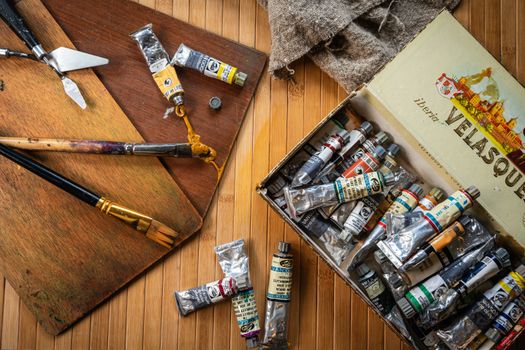 Photo: Ylanite Koppens / Pexels
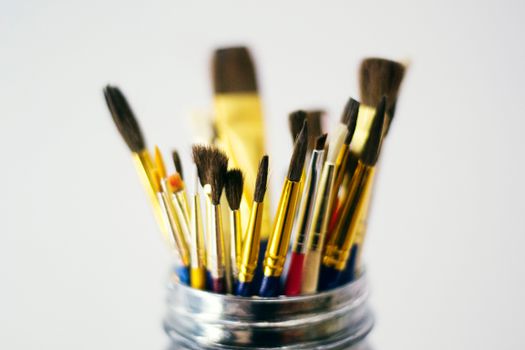 Photo: Em Everyday Living / Pexels
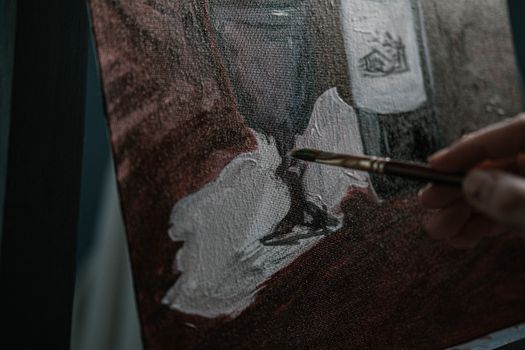 Photo: Nikita Zadykhin / Pexels
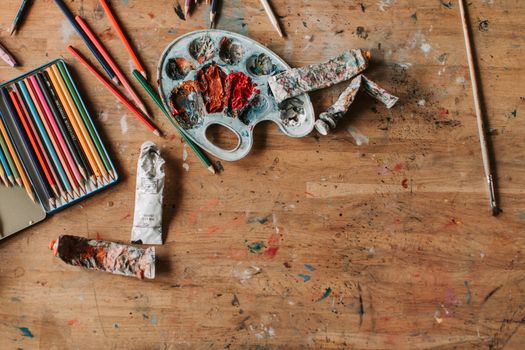 Photo: Vlada Karpovich / Pexels